


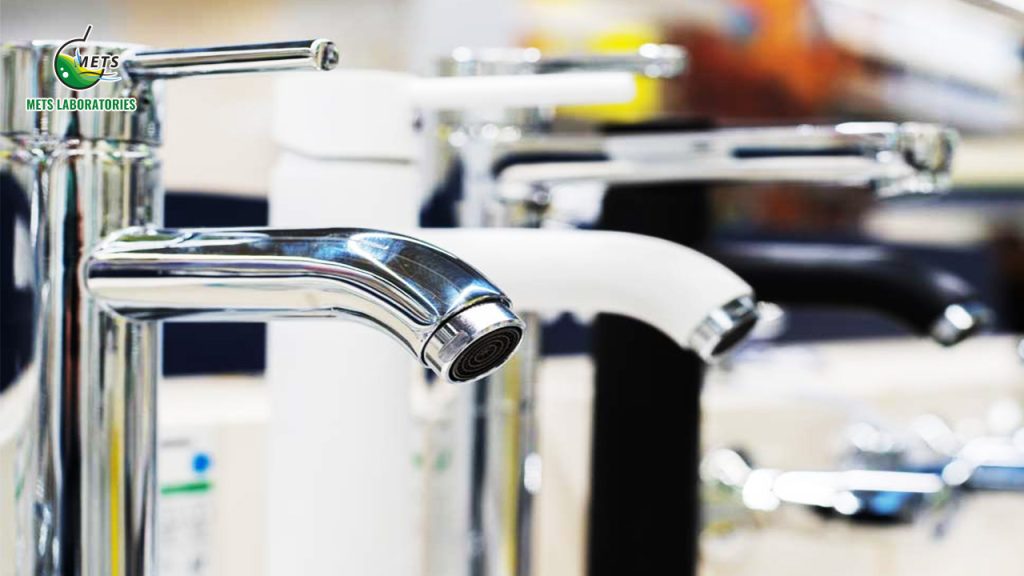
Sanitary Ware & Fittings Testing Services – METS Laboratories
Sanitary ware and fittings undergo a comprehensive evaluation process to guarantee their safety, performance, and durability. This testing is essential to ensure that products like toilets, sinks, faucets, and showers meet stringent standards, providing users with reliable and high-quality fixtures in bathrooms and kitchens. By partnering with certified sanitary ware and fittings testing services, ceramic manufacturers and commercial plumbing brands can systematically validate hydraulic efficiency, structural load capacities, and surface finish resilience. Locking in these performance matrices before commercial distribution prevents catastrophic water damage, protects property structural integrity, and fulfills strict trade criteria.
The process involves assessing the materials used, such as ceramics, metals, and plastics, for their strength, resistance to corrosion, and ability to withstand wear and tear. The construction of these items is also scrutinized, checking for dimensional accuracy and structural integrity to ensure they can handle specified loads and pressures.
Performance and functionality are key areas of focus, with tests measuring water flow rates, flushing efficiency, and the ability to maintain consistent water temperatures. Faucets and showerheads are examined for leak-proof operation, ease of use, and resistance to mineral buildup. Safety is paramount, with tests designed to prevent hazards like scalding and the presence of harmful substances. Hygiene tests evaluate the ability of the products to resist bacteria and fungi, as well as ease of cleaning and maintenance. Sanitary ware and fittings testing involves a series of evaluations to ensure that these products meet safety, performance, and durability standards. These tests are crucial for verifying the quality and reliability of items such as toilets, sinks, faucets, showers, and related components used in bathrooms and kitchens.
Durability tests simulate long-term use, often involving repeated operation cycles and exposure to extreme conditions. This ensures that the products can withstand regular use without failing or deteriorating over time. Through this rigorous testing, manufacturers can identify and rectify defects, improve designs, and ensure that sanitary ware and fittings meet industry standards and regulations. The ultimate goal is to provide reliable, long-lasting products that enhance the functionality and safety of bathrooms and kitchens.
Importance of Sanitary Ware and Fittings Testing Services
Sanitary ware and fittings testing is crucial for protecting public health, ensuring user safety, and maintaining product quality. Testing helps manufacturers identify and rectify defects, improve product designs, and meet industry standards and regulations. By undergoing rigorous testing, sanitary ware and fittings can provide reliable and long-lasting performance, enhancing the overall functionality and safety of bathrooms and kitchens:
- Material and Construction: Testing includes assessing the materials used for sanitary ware and fittings, such as ceramics, metals, and plastics. Tests evaluate the strength, durability, and resistance to corrosion, chemical attack, and wear. Construction tests focus on dimensional accuracy, structural integrity, and the ability to withstand specified loads and pressures.
- Performance and Functionality: This area assesses the operational aspects of sanitary ware and fittings. Tests include water flow rate, flushing efficiency, and the ability to maintain consistent water temperature. Fittings like faucets and showerheads are tested for leak-proof performance, ease of operation, and the ability to resist mineral buildup.
- Safety and Hygiene: Safety tests focus on preventing hazards such as scalding, sharp edges, and the presence of harmful substances. Hygiene tests assess the ability of sanitary ware to resist the growth of bacteria and fungi, as well as ease of cleaning and maintenance.
- Durability and Endurance: Durability tests simulate the long-term use of sanitary ware and fittings. These tests often involve repeated cycles of operation, exposure to extreme temperatures, and simulated wear and tear. The goal is to ensure that the products can withstand regular use without failing or deteriorating.
- Dimensional Measurement: Using calipers, micrometers, and 3D scanners to verify that products meet specified dimensions and tolerances.
- Performance Testing: Assessing functionality such as water flow rates, flushing efficiency, and temperature control using specialized rigs and equipment.
- Pressure Testing: Applying pressure to check for leaks in faucets, valves, and connections, often using air or water.
- Durability Testing: Simulating long-term use by cycling products, such as operating faucets or flushing toilets, to assess their ability to withstand wear and tear.
- Material Testing: Conducting tensile tests, corrosion tests, and chemical analysis to evaluate the strength, resistance, and composition of materials.
- Hydrostatic Testing: Subjecting products to high water pressure to check for leaks and structural integrity.
- Thermal Shock Testing: Exposing products to rapid temperature changes to assess their resistance to cracking or damage.
- Resistance Testing: Assessing resistance to bacteria and fungi, as well as ease of cleaning and maintenance, often in specialized labs.
- Environmental Testing: Exposing products to extreme temperatures, humidity, and UV light to evaluate their resistance to environmental factors.
- Ensure Hygiene: Evaluate resistance to bacteria and fungi, as well as ease of cleaning and maintenance.
- Meet Industry Standards: Ensure compliance with relevant regulations and standards for product quality.
- Identify Defects: Detect and rectify any manufacturing or design flaws.
- Improve Designs: Use testing data to refine product designs for better performance and longevity.
- Visual Inspection: A thorough visual examination to identify defects, check dimensions, and ensure proper assembly.
Primary Purpose of Sanitary Ware and Fittings Testing Services
- Ensure Safety: Verify that products meet safety standards to prevent hazards like scalding or exposure to harmful substances.
- Guarantee Performance: Assess functionality, such as water flow rates, flushing efficiency, and temperature consistency.
- Assess Durability: Evaluate the ability of products to withstand long-term use and wear and tear.
- Verify Material Quality: Check the strength, corrosion resistance, and overall quality of materials used.
- Confirm Structural Integrity: Ensure that products can handle specified loads and pressures without failure.
- Prevent Leaks: Test faucets and fittings for leak-proof operation to conserve water and prevent damage.
Technical Methods Used for Sanitary Ware and Fittings Testing Services
This standard is relevant for hygienic fittings, particularly those with specific internal surface finishes (e.g., roughness average Ra < 0.8 - 1.6 μ), according to Alfa Laval.
Deals with floor drains and wall drains, specifying requirements for materials, dimensions, and performance.
This standard provides requirements and guidance for implementing water efficiency labeling programs, which can be relevant for water-using sanitary fixtures.
This standard covers carbon and alloy steel pipe fittings, often used to connect pipes and other components in plumbing systems.
This standard covers chlorinated polyvinyl chloride (CPVC) and unplasticized polyvinyl chloride (uPVC) pipe and fittings for drainage, waste, and vent (DWV) systems.
This standard specifically addresses decorative physical vapor deposition (PVD) coatings on kitchen and sanitary ware fittings, covering both performance and testing methods.
This technical committee focuses on plastics pipes, fittings, and valves for the transport of fluids, including those used with reinforced plastics and metal fittings in conjunction with plastic pipes.
Specifies requirements for washbasins, including dimensions, materials, and water discharge performance.
Why Choose METS Laboratories for Sanitary Ware and Fittings Testing Services?
NABL accredited, METS LABORTORIES INDIA PVT.LTD can test to a variety of the established methods (e.g., ISO, ASTMD, AOAC, APHA, FSSAI, BIS,)
- Reliability: They have a good reputation for providing reliable and timely results.
- Customer Support: They offer excellent customer support and are always available to answer questions and provide assistance.
- Quality Assurance: They maintain high standards of quality control and accuracy in their testing procedures.
- Maintaining customer confidentiality by considering it proprietary information.
- Product evaluation for appearance, quality and performance.
- Our laboratory conducts testing on a wide range of products, materials, and components to verify compliance with standards, specifications, and regulatory requirements. Our team is happy to provide expert advice and guidance to ensure the appropriate water testing is carried out for your needs.
- Our dedicated, experienced, and friendly team is here to help—providing expert knowledge, guidance, and access to cutting-edge water testing capabilities and technologies in our laboratory.
- We conduct comprehensive product evaluations for appearance, quality, and performance. Our technical support network provides expert guidance—answering questions, interpreting results, and assisting with quality assurance program management.
- We participate in inter-laboratory proficiency testing and comparative analyses to ensure accuracy, reliability, and compliance with industry standards.
- We implement and maintain rigorous ISO/IEC 17025:2017 accreditation, ensuring internationally recognized standards for testing competence, measurement accuracy, and operational excellence in every analysis.
- We maintain strict customer confidentiality by treating all data as proprietary information.
The testing of sanitary ware and fittings is a multifaceted process. It involves a combination of visual inspections, dimensional measurements, performance evaluations, and material assessments. These tests ensure that products meet stringent quality standards, are durable, and function as intended.
What Our Advanced Hydraulic and Structural Workflows Ensure
- Data Integrity: Every result is generated and verified under strict quality assurance.
- Compliance: All tests conform to the latest regulatory and industry-specific guidelines.
- Transparency: Clear, easy-to-understand reports and consultation support.
- Confidentiality: Your data remains secure, private, and protected.
- Environmental Stewardship: Our labs follow eco-friendly practices and aim to minimize testing-related waste and emissions.
Who Our Specialized Sanitary Ware and Fittings Testing Services Are For
- Manufacturers, importers, and distributors of EEE products (e.g., electronics, cables, circuit boards, batteries).
- Industrial Facilities: To monitor effluents, emissions, and workplace safety
- Construction and Real Estate: For soil contamination, water logging, and indoor air quality
- Municipal Corporations: To assess urban air and water quality
- Schools, Hospitals & Hotels: For ensuring safe indoor environments
- Agricultural Communities: To test irrigation water and soil health
- NGOs & Research Institutions: For pollution studies and policy advocacy
- Citizens & RWAs: For local monitoring and complaint-based testing
Protect Consumers. Satisfy Authorities. Boost Market Confidence.
In today’s sustainability-driven world, sanitary ware processors and plumbing brands are held strictly accountable by structural engineers, building safety boards, and retail consumers alike. METS Laboratories empowers your enterprise to:
- Protect your installation workforces, end consumers, and surrounding properties from hazardous building plumbing failures or catastrophic ceramic breakage injuries.
- Achieve complete market compliance by executing analytical protocols that conform cleanly to current ASME plumbing component and safety standardization frameworks, Indian Standard (IS) codes, EN guidelines, and ISO quality management systems.
- Build a premium brand reputation rooted in scientifically validated structural durability, high water-use efficiency, and dependable anti-corrosive finish safety.
- Avoid costly construction hand-over delays, product recall campaigns, and severe brand reputational damages due to substandard or unverified structural ceramic batches.
- Earn long-term stakeholder and investor trust with verified material performance data and transparent safety compliance reporting.
Sanitary ware and fittings testing services aren’t just a regulatory formality—they are a vital strategic asset for structural durability and engineering excellence.
Frequently Asked Questions
How do I book a test?
You can contact METS Laboratories via phone, email, or our website to schedule sampling or drop off a sample at our facility.
Is your lab accredited?
Yes, METS Laboratories is accredited under ISO/IEC 17025:2017.
How long does it take to get results?
Turnaround time depends on the parameters, but standard reports are typically delivered within 3–7 working days.
Do you provide on-site sampling?
Yes, we have trained field teams who follow strict SOPs for on-site sample collection.
Can I get help understanding the report?
Absolutely. We offer report interpretation and guidance on corrective actions or next steps.
What locations do you serve?
We serve clients across India and can coordinate with international partners when required.
Can you help with regulatory approvals?
Yes, our test reports are accepted by government authorities, and we can assist in documentation for environmental clearances.