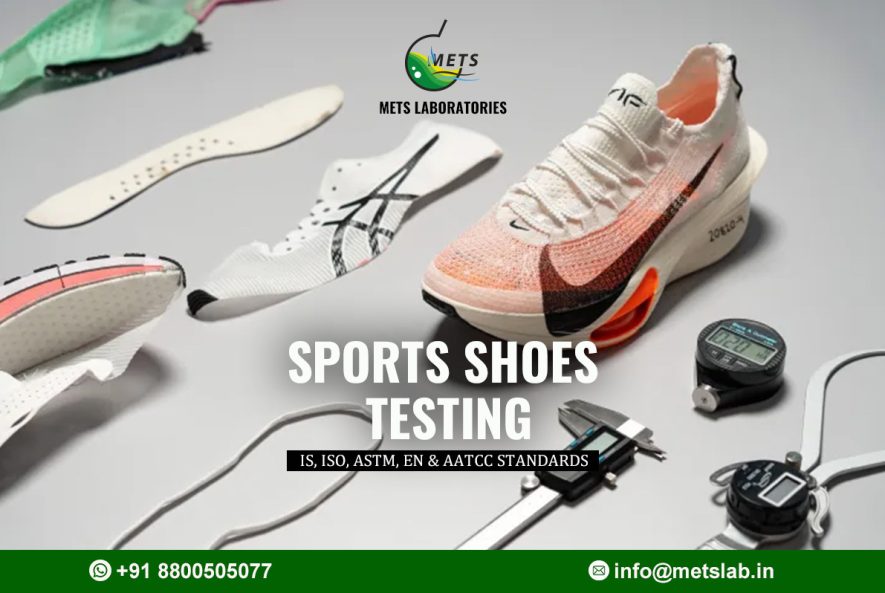
Sports shoes are designed for high performance, comfort, durability, and safety. They undergo continuous stress such as running, jumping, friction, and environmental exposure. Because athletic footwear must withstand extreme physical demands without failing, professional sports shoes testing is absolutely vital before production. Evaluating these structural elements protects athletes from injury while validating manufacturing quality.
Without proper testing, shoes may fail due to sole detachment, poor abrasion resistance, color fading, odor issues, or toxic material exposure.
Testing ensures shoes are safe, durable, comfortable, and globally compliant.
What is Professional Sports Shoes Testing?
Sports shoe testing is a combination of physical, mechanical, chemical, and performance evaluations conducted to ensure footwear meets international quality and safety standards.
It includes: • Material strength testing • Sole performance evaluation • Chemical safety checks • Color and fabric performance testing • Comfort and durability analysis
Why is Comprehensive Sports Shoes Testing Important?
Key Reasons:
Ensure durability during sports activities
Prevent sole separation and structural failure
Ensure chemical safety for skin contact
Maintain color and aesthetic quality
Meet export and brand compliance standards
Risks of Non-Compliance:
Foot injury or product failure
Customer complaints and returns
Export rejection
Brand reputation loss
Applicable Standards for Rigorous Sports Shoes Testing
Indian Standards(IS)
IS 15298 – Safety footwear requirements
IS 1638 – Footwear testing methods
BIS footwear safety compliance guidelines
ISO Standards
ISO 17707 – Footwear flex resistance
ISO 20871 – Abrasion resistance
ISO 20344 – Test methods for footwear
ISO 20345 – Safety footwear requirements
ISO 22649 – Slip resistance
ASTM Standards (USA)
ASTM D1630 – Abrasion resistance
ASTM D2099 – Impact resistance
ASTM F2913 – Slip resistance test
ASTM D3767 – Thickness measurement
EN Standards (Europe)
EN ISO 20344 – Footwear test methods
EN ISO 20345 – Safety footwear
EN 13287 – Slip resistance
EN 13520 – Abrasion testing
AATCC Standards (Textile part of shoes)
AATCC 8 – Crocking (color rub resistance)
AATCC 15 – Color fastness to perspiration
AATCC 61 – Wash fastness
AATCC 22 – Water repellency
Key Test Categories in Sports Shoes Testing
Physical & Mechanical Testing
Flexing Resistance
ISO 17707 / EN ISO 20344 Measures sole cracking after repeated bending.
Abrasion Resistance
ISO 20871 / ASTM D1630 / EN 13520 Evaluates wear resistance of outsole and upper.
Tear Strength
ISO 17696 Measures resistance to tearing under stress.
Bond Strength / Sole Adhesion
Determines strength between upper and sole.
Impact Resistance
ASTM D2099 Checks toe protection and shock absorption.
Slip Resistance
ASTM F2913 / EN 13287 / ISO 22649 Evaluates grip on wet and dry surfaces.
2. Dimensional & Comfort Testing
Thickness measurement (ASTM D3767)
Insole compression resistance
Weight and balance measurement
Shape retention after wear
3. Chemical Testing (Safety Evaluation)
pH of materials (skin compatibility)
Heavy metals (Pb, Cd, Cr VI)
AZO dyes restriction (EN 14362)
Formaldehyde content (ISO 14184)
Phthalates (plasticizers in soles)
REACH SVHC screening
4. Textile & Upper Material Testing (AATCC/ISO)
Color Fastness to Rubbing
AATCC 8 / ISO 105-X12
Perspiration Resistance
AATCC 15 / ISO 105-E04
Water Resistance
AATCC 22 / ISO 811
Wash Durability
AATCC 61
Key Parameters Evaluated During Sports Shoes Testing
Environmental conditioning (heat, humidity, water exposure)
Friction and slip measurement systems
Color fastness comparison tests
Who Needs Certified Sports Shoes Testing Services?
Sports shoe manufacturers
Footwear exporters
Athletic brands
Retail footwear companies
OEM/ODM suppliers
Quality assurance laboratories
Conclusion
Sports shoe testing using IS, ISO, ASTM, EN, and AATCC standards ensures high performance, durability, comfort, and chemical safety. These tests are essential for global acceptance and user safety in sports environments. To verify structural material thresholds and confirm your inventory meets rigorous international guidelines, leverage the accredited mechanical and physical testing services provided by our state-of-the-art laboratory.
Frequently Asked Questions(FAQs)
Which test is most important for sports shoes?
Abrasion, slip resistance, and flexing tests are most critical.
Why is chemical testing needed?
To ensure shoes are safe for skin contact and free from toxic substances.
Which standard is globally accepted?
ISO 20344 and ISO 20345 are widely accepted worldwide.
Manufacturers and Exporters Recommend Us
Dedicated professionals committed to providing you with accurate and reliable testing services. Get METS Lab services today from the best lab experts & get the accurate reports from our laboratory.