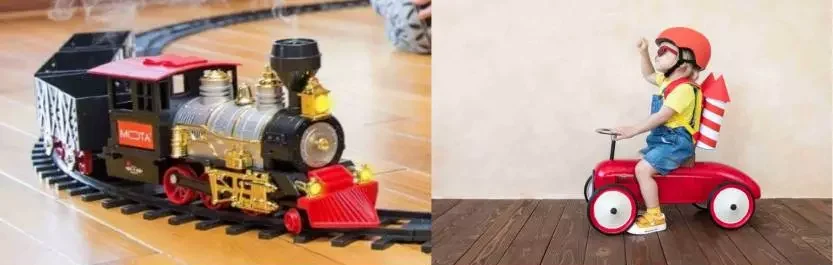
Electric Toy Testing Laboratory for Safety and Compliance
Electric toys make playtime more interactive and engaging, but their electrical components must be safe for children. From battery-powered cars to electronic learning toys, every product needs careful evaluation to identify potential electrical hazards.
At METS Laboratories, we provide Electric toy testing to help manufacturers, importers, and toy brands assess product safety according to applicable Indian Standards. Our testing approach helps businesses identify electrical risks, understand compliance requirements, and prepare their products for the Indian market.
Whether you’re launching a new electronic toy or evaluating an existing product, our team can help you understand the testing requirements.
Electric Toy Testing Services at METS Laboratories
Electrical toys contain components such as batteries, motors, wiring, switches, and electronic circuits. If these components are not designed or assembled correctly, they may create risks such as overheating, electric shock, or electrical failure.
Our Electric toy testing services help businesses evaluate these risks through relevant laboratory assessments.
Our testing scope may include:
Electrical insulation and protection against electric shock
Temperature rise and overheating assessment
Battery compartment and connection safety
Electrical strength evaluation
Abnormal operation testing
Electrical component and construction checks
Product markings, warnings, and instructions
Through Electrical toy safety testing, manufacturers can identify potential safety concerns and make improvements before introducing products to the market.
Why Is Electric Toy Safety Testing Important?
Children may use toys for extended periods, drop them, or handle them in unexpected ways. These situations can expose weaknesses in electrical components or product construction.
Electric toy testing helps manufacturers evaluate potential hazards and understand whether their products meet relevant safety requirements.
Some important benefits include:
Identifying electrical safety hazards before market introduction
Reducing risks associated with overheating and electric shock
Supporting compliance with applicable Indian toy safety standards
Improving product quality and consumer confidence
Identifying design problems before mass production
Reducing potential delays caused by product nonconformities
Conducting Electrical toy safety testing during product development also allows businesses to address problems early, potentially reducing the need for expensive redesigns.
IS 15644 Testing for Electric Toys
IS 15644 is an Indian Standard covering safety requirements for electric toys. It addresses electrical hazards associated with toys that have at least one function dependent on electricity.
IS 15644 testing helps manufacturers evaluate relevant electrical safety requirements based on the toy’s construction, operating characteristics, and intended use.
Testing may include:
Protection against electrical hazards
Heating and temperature rise
Electrical insulation and strength
Moisture resistance, where applicable
Abnormal operating conditions
Construction and electrical component safety
Product markings and safety instructions
At METS Laboratories, our team helps businesses understand the relevant testing scope and documentation requirements.
Manufacturers planning IS 15644 testing should provide accurate product specifications, electrical details, and representative samples to support proper laboratory evaluation.
Types of Electrical Safety Tests for Toys
Different electric toys require different safety assessments depending on their power source, electrical design, and intended functions.
Electric Shock Protection Testing
Evaluates protective measures designed to prevent users from coming into contact with hazardous electrical parts.
Evaluates the ability of applicable insulation systems to withstand specified electrical stresses.
Abnormal Operation Testing
Examines product safety under relevant abnormal operating conditions or specified fault scenarios.
Battery Safety Evaluation
Battery-operated toy testing helps assess battery compartments, electrical connections, and other applicable battery-related safety requirements.
Construction and Component Evaluation
Examines relevant electrical components, wiring arrangements, accessibility, and construction features.
The specific tests depend on the product design and applicable standard requirements.
Which Toys Require Electrical Safety Testing?
Many modern toys use batteries or electronic components to create movement, sound, lighting, or interactive experiences.
Examples of toys that may require electrical safety evaluation include:
Remote-controlled cars and vehicles
Battery-powered dolls and robots
Electronic educational toys
Musical toys with electronic circuits
Interactive learning toys
Motor-driven toys
Toys with electronic lights and sounds
Rechargeable electronic toys
Battery-operated toy testing is particularly relevant for products using replaceable or rechargeable batteries because battery arrangements and electrical connections can affect product safety.
The classification of a product as an electric toy depends on its intended use, design, and applicable regulatory requirements.
BIS Requirements for Electric Toys in India
In India, toy safety is regulated under the Toys (Quality Control) Order, 2020, as amended, and relevant Indian Standards.
Electric toys covered by the applicable regulatory framework generally require compliance with IS 15644 and relevant BIS certification requirements, subject to specified exemptions.
Electric toy testing provides technical evidence that may support the conformity assessment process.
Businesses should understand the difference between testing and certification:
Laboratory Testing: Evaluates product samples against applicable safety requirements.
Test Report: Records the tests performed and their results.
BIS Certification: Involves a separate conformity assessment and approval process administered by the Bureau of Indian Standards.
IS 15644 testing supports the assessment of electrical safety requirements, but a laboratory test report does not automatically guarantee BIS certification.
Our Electric toy testing services help manufacturers and importers understand the laboratory evaluations relevant to their products.
Our Electric Toy Testing Process
At METS Laboratories, we aim to make the testing process clear and convenient for manufacturers, importers, and toy brands.
Step 1: Share Product Details
Provide information about your electric toy, including its design, power source, intended age group, and electrical specifications.
Step 2: Identify Testing Requirements
Our team reviews the product information to determine the relevant safety standard and testing scope.
Step 3: Submit Product Samples
Send the required samples and supporting technical documents for laboratory evaluation.
Step 4: Laboratory Evaluation
The product undergoes applicable safety assessments. For battery-powered products, Battery-operated toy testing may be included as part of the evaluation.
Step 5: Review Test Results
The results are evaluated against relevant requirements, and any identified nonconformities are documented as appropriate.
Step 6: Receive the Test Report
A report is issued documenting the completed tests and their results.
The timeline for Electric toy testing depends on product complexity, sample availability, and the required testing scope.
Who Needs Electric Toy Testing Services?
Electrical toy safety testing is important for businesses involved in designing, manufacturing, importing, and distributing toys.
Our Electric toy testing services can support:
Toy Manufacturers: Assessing electrical safety before production or market introduction.
Importers: Understanding applicable Indian safety requirements for imported toys.
Toy Brands: Supporting product quality and regulatory compliance programmes.
Product Developers: Identifying electrical safety concerns during product development.
OEM Manufacturers: Evaluating toys manufactured for other brands.
Exporters: Understanding testing requirements for their intended markets.
Testing at an early stage can help businesses identify product issues and make better decisions before commercial distribution.
Why Choose METS Laboratories for Electric Toy Testing?
Choosing a suitable testing laboratory is important when preparing electrical toys for market entry.
METS Laboratories helps businesses understand applicable testing requirements and navigate the laboratory evaluation process.
Our approach focuses on:
Clear guidance on relevant testing requirements
Evaluation based on applicable Indian safety standards
Structured sample submission procedures
Communication about testing scope and documentation
Detailed reporting of completed evaluations
Assistance in understanding testing results and next steps
Our Electrical toy safety testing approach focuses on relevant technical assessments, clear communication, and reliable reporting.
Whether you require IS 15644 testing for a newly developed product or Battery-operated toy testing for an existing toy range, our team can help you understand the applicable requirements.
Frequently Asked Questions
What is electric toy testing?
Electric toy testing is the process of evaluating electrically powered toys against applicable safety requirements. It may include assessments of electrical insulation, heating, battery arrangements, construction, and protection against electrical hazards.
What is IS 15644 in electric toy testing?
IS 15644 is the Indian Standard addressing safety requirements for electric toys. It establishes requirements and test methods for evaluating relevant electrical safety hazards in toys with functions dependent on electricity.
Is BIS certification required for electric toys in India?
Electric toys covered under India's applicable Toys (Quality Control) Order generally require BIS certification according to relevant Indian Standards, subject to specified exemptions. Manufacturers and importers should confirm the requirements for their products.
Which tests are conducted on electric toys?
Common assessments may include heating, electrical strength, electric shock protection, abnormal operation, construction checks, and battery-related safety evaluations. The required tests depend on the toy's design and applicable standard.
Which products are classified as electric toys?
Electric toys include products intended for play that have at least one function dependent on electricity. Examples include battery-powered vehicles, electronic dolls, musical toys, and certain robotic toys.
How much does electric toy testing cost in India?
The cost depends on the toy's design, complexity, applicable testing requirements, and number of samples. Contact METS Laboratories at +91-8800505077 for a quotation based on your product.
How long does electric toy testing take?
Testing time varies according to product complexity, the number of required evaluations, sample availability, and laboratory scheduling. An estimated timeline can be provided after reviewing the product details.
Can battery-operated toys require electrical safety testing?
Yes, Battery-operated toys may require electrical safety assessments covering battery arrangements, electrical connections, heating, and other relevant safety characteristics.
Does an electric toy testing report guarantee BIS certification?
No, A laboratory test report documents the tests conducted and their results. BIS certification is a separate approval process involving applicable certification requirements and assessment by the Bureau of Indian Standards.
What documents are required for electric toy testing?
Depending on the product, commonly requested documents may include product specifications, electrical ratings, circuit diagrams, battery details, component information, user instructions, product labels, and manufacturer information. Representative product samples are also required.