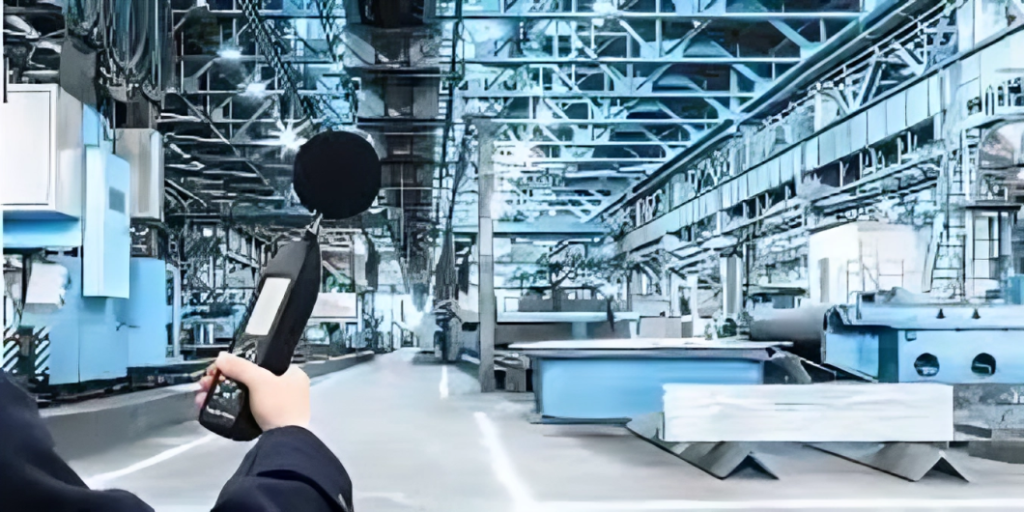
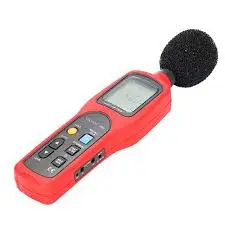
At METS Laboratories, we believe in building a safer and more comfortable world—one test at a time. Source Noise Levels Testing is one of our critical environmental services aimed at evaluating the sound emissions of machines, devices, tools, appliances, and consumer products. This testing is not just a matter of regulatory compliance—it’s about creating a sustainable environment where human well-being, occupational safety, and ecological balance are prioritized. Our state-of-the-art acoustic testing facility, equipped with precision instrumentation and certified experts, enables us to deliver accurate measurements of sound pressure and sound power levels. From home appliances to industrial equipment, we help manufacturers quantify their noise output and support them in producing quieter, safer, and regulation-compliant products.
Why Source Noise Levels Testing Is Important?
Noise is more than an inconvenience—it’s a public health issue. Excessive or improperly managed noise can lead to hearing loss, sleep disturbances, stress, reduced productivity, and even cardiovascular problems. With increasing urbanization and industrialization, controlling noise at the source has become crucial. Source Noise Levels Testing serves as the first line of defence. By identifying how much sound a product or machine emits, stakeholders can take targeted actions—such as engineering redesigns, soundproofing, or usage regulations—to reduce harmful exposure. This testing is also essential to comply with global standards like ISO 3744, ISO 11201, ISO 7779, and EU Machinery Directive 2006/42/EC. When manufacturers proactively test their products, they not only avoid legal liabilities but also gain public trust and demonstrate corporate social responsibility.
• Free-field or semi-anechoic chamber testing (ISO 3744, ISO 3745) • Operating workplace noise (ISO 11201, ISO 11204) • Machinery noise declaration (ISO 4871) • Consumer appliances noise emission (ISO 7779, EN 60704) • Customized in-situ testing for fixed installations
• Industrial machinery and equipment • Household appliances (vacuum cleaners, air conditioners, etc.) • Automotive and electric vehicle components • HVAC systems and compressors • Office machines (printers, computers, copiers) • Tools and garden equipment (chainsaws, lawn mowers)
What METS Laboratories Offers?
At METS Laboratories, our Source Noise Levels Testing services are designed for accuracy, reliability, and relevance. We offer: • Accredited testing in compliance with ISO/IEC 17025 • Testing as per global and regional standards (ISO, EN, ANSI, IEC) • In-house semi-anechoic chambers with calibrated reference microphones • Mobile testing capabilities for field assessment • Sound intensity mapping and 3D acoustic profiling • Assistance in preparing technical documentation and CE Marking • Data analysis, reporting, and third-party validation In addition, we offer engineering support to improve your product’s acoustic profile and guidance on compliance with environmental and workplace regulations.
Today’s consumers expect not only functionality but also comfort and peace of mind. Excessive noise can be a deal-breaker. Products that are tested and certified for low noise emissions enjoy better acceptance and fewer returns. Similarly, regulatory authorities expect documented proof of safety and compliance. METS Laboratories equips you with credible reports that meet or exceed legislative demands. By investing in source noise levels testing, you’re doing more than just checking a box—you’re building a brand that values safety, environmental responsibility, and quality. That confidence carries over to your customers, investors, and partners alike.
Frequently Asked Questions
Is noise testing mandatory for all products?
Not all products are subject to mandatory noise testing, but many—especially machinery, tools, and appliances—require noise emission data for CE marking, environmental compliance, or occupational health assessments.
What is the difference between sound pressure and sound power?
Sound pressure is what a human hears at a location (measured in dB(A) at a distance), while sound power is the total acoustic energy emitted by a source, irrespective of environment or distance. Sound power is a more stable indicator of noise performance.
How long does a typical noise test take?
Depending on the complexity of the product and the method, a test may take anywhere from a few hours to a couple of days including setup, measurement, and report preparation.
Can METS test onsite at my factory or workplace?
Yes, we offer mobile testing services for in-situ noise measurements, especially for large installations or operational equipment that cannot be relocated.
Are METS noise test reports accepted internationally?
Absolutely. We operate under ISO/IEC 17025: 2017 accreditation, and our reports are recognized by notified bodies, certification agencies, and regulatory authorities across regions.
How can I reduce the noise levels of my product?
We offer design consultation and acoustic troubleshooting services to identify sources of excessive noise and propose engineering solutions—ranging from damping and insulation to mechanical redesign.