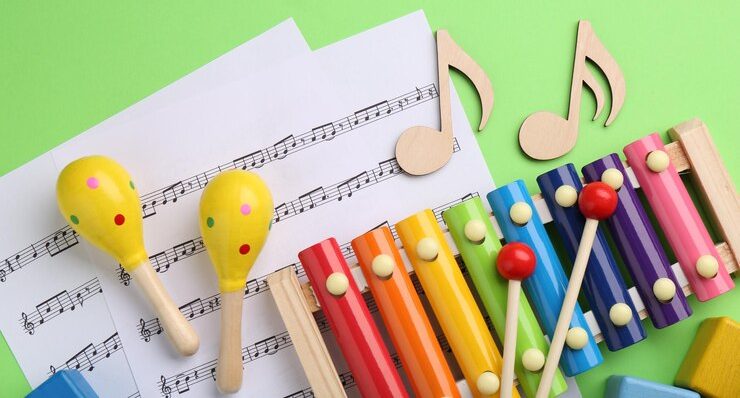
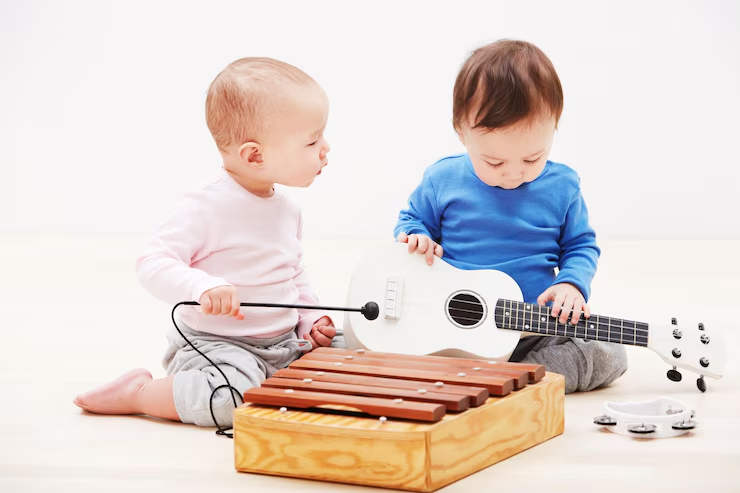
Children’s toys are designed to entertain, educate and encourage creativity. A toy that sings, beeps, plays a tune or talks back can win a child’s heart in seconds. But if it’s too loud, it can also put that child’s hearing at risk. Excessive noise or sudden sound emissions may create potential risks to children’s hearing, particularly when toys are used close to the ears.
At METS Laboratories, we provide professional Music and Sound Toys Testing services to help toy manufacturers, importers and brands evaluate the acoustic performance and safety of their products. Our testing approach helps identify potential sound-related issues and supports product evaluation against applicable national and international standards.
Whether you manufacture musical instruments, electronic learning toys, talking dolls or battery-operated sound toys, our team can help you understand the relevant testing requirements.
What Is Music and Sound Toys Testing?
Music and Sound Toys Testing is a set of laboratory measurements that show how much noise a toy produces and whether that level is acceptable for a child. Our engineers run the toy in a controlled acoustic setup, record the sound at specified distances and positions, and compare the readings with the limits in the applicable standard.
This testing is important for products designed for infants and young children, as they may hold toys close to their ears or use them for extended periods.
A professional Sound Toys Testing Laboratory evaluates different acoustic characteristics to identify potential safety concerns.
Testing may include:
Sound pressure level measurements.
Maximum sound output evaluation.
Frequency range assessment.
Continuous and intermittent sound measurements.
Peak sound emission evaluation.
Impulse sound assessment.
Sound measurements at specified distances.
The applicable test parameters depend on the toy’s design, intended age group and relevant safety standards.
Why Is Sound Level Testing Important for Children’s Toys?
Children’s ears are more sensitive than adults’, and kids rarely hold a toy at the distance an adult would. They press a talking doll against their ear, hug a singing plush toy, or play with a toy phone right beside their head. Repeated exposure to loud sound can affect hearing over time, and a sudden loud noise can cause harm in a single moment.
Toy Sound Level Testing helps manufacturers understand the sound characteristics of their products and identify areas that may require improvement.
Key benefits include:
Children’s Hearing Protection
Evaluating sound output helps identify potentially excessive noise levels that could create hearing-related risks.
Early Identification of Sound Issues
Testing helps identify unexpected noise, sudden sound peaks and inconsistent audio output before products reach consumers.
Regulatory Compliance Support
Different countries have specific toy safety requirements. Testing helps manufacturers evaluate their products against relevant standards.
Better Product Quality
Consistent sound output improves the overall product experience and helps manufacturers maintain quality across production batches.
Greater Customer Confidence
Appropriate product testing and documentation help demonstrate a commitment to children’s safety and product quality.
Music and Sound Toys Testing Parameters
Acoustic testing involves evaluating several sound characteristics rather than simply checking how loud a toy sounds.
At METS Laboratories, Toy Sound Level Testing can cover relevant parameters based on the product category and applicable testing requirements.
The important parameters include:
Sound Pressure Level (SPL): Measures the sound intensity generated by the toy during operation.
Frequency Range: Evaluates the range of sound frequencies produced by the toy.
Maximum Sound Output: Identifies the highest sound level under specified operating conditions.
Peak Sound Emissions: Measures short-duration sound peaks during toy operation.
Impulse Sound: Evaluates sudden or brief sound emissions.
Continuous Sound: Assesses sound produced during extended operation.
Distance-Based Measurements: Evaluates sound levels at specified distances from the toy.
Sound Consistency: Checks variations in sound output across repeated operations.
These measurements help manufacturers understand the acoustic behaviour of their products and identify potential design improvements.
Music and Sound Toys Testing Standards and Regulations
Toy manufacturers must consider the safety requirements of their target markets before introducing products for sale. Different countries follow different standards for evaluating mechanical, physical and acoustic safety.
Our Sound Toys Testing Laboratory services can support testing against applicable requirements, depending on the product category and agreed testing scope.
Some important standards include:
EN 71-1 – Mechanical and Physical Properties
EN 71-1 is a European toy safety standard that covers mechanical and physical safety requirements, including relevant provisions for sound-producing toys.
ISO 8124-1 – Mechanical and Physical Properties
ISO 8124-1 provides international requirements and test methods for evaluating mechanical and physical safety aspects of toys.
ASTM F963 – Standard Consumer Safety Specification for Toy Safety
ASTM F963 is an important toy safety standard in the United States. It includes requirements for sound-producing toys and other product safety considerations.
IS 9873 (Part 1) – Indian Toy Safety Standard
IS 9873 (Part 1) covers mechanical and physical safety requirements for toys and forms part of India’s toy safety framework.
The applicable standard and testing requirements depend on the product design, intended age group and destination market.
Types of Music and Sound-Producing Toys We Test
Different toys produce sound through electronic circuits, speakers, mechanical components or direct interaction. Each product may require a specific testing approach.
Our Musical Toys Testing services can support the evaluation of various sound-producing products, including:
Musical Instruments for Children
Toy keyboards, drums, xylophones, toy pianos and electronic musical instruments.
Electronic Learning Toys
Educational toys that produce recorded voices, music, interactive sounds and audio instructions.
Battery-Operated Sound Toys
Electronic toys with built-in speakers, sound effects, buttons and audio features.
Soft Toys with Sound Modules
Talking dolls, musical stuffed animals and plush toys with recorded messages or sound effects.
Noise-Producing Toys
Toy whistles, horns, rattles and other products designed to generate audible sounds.
Interactive Electronic Toys
Toys with voice commands, musical responses, alerts and interactive audio features.
Our team can help determine the appropriate testing requirements based on your product’s sound-producing mechanism and intended application.
Our Music and Sound Toys Testing Process
Here’s how Music and Sound Toys Testing works at METS Laboratories, step by step. We keep it simple so you always know where your samples stand.
Our Music and Sound Toys Testing process generally involves the following steps:
Step 1: Product Information
Share your product details, technical specifications, intended age group and target market with our team.
Step 2: Testing Requirement Assessment
Our team reviews the product information to identify applicable standards, testing parameters and evaluation requirements.
Step 3: Sample Submission
Submit the required product samples along with relevant technical documents and operating instructions.
Step 4: Laboratory Testing
The submitted samples are evaluated using the relevant testing methods and equipment according to the agreed scope.
Step 5: Test Report Preparation
After completing the evaluation, the findings are documented in a test report for your reference.
Step 6: Further Assistance
If any issues are identified, our team can help you understand the findings and determine the next steps for product improvement or additional testing.
Why Choose METS Laboratories for Music and Sound Toys Testing?
Choosing a lab isn’t only about equipment. It’s about having people who explain the results in plain language and respond when you have questions.
METS Laboratories supports businesses with product testing and technical evaluation services.
Here’s why manufacturers and importers can consider working with us:
Relevant Testing Experience: Support for different product testing requirements across multiple industries.
Standards-Based Evaluation: Testing requirements identified according to applicable Indian and international standards.
Detailed Test Reports: Documented findings to help businesses evaluate product performance and safety.
Product-Specific Testing: Testing scope discussed according to product design and intended application.
Manufacturer Support: Assistance for manufacturers, importers, OEMs and brand owners.
Professional Assistance: Support throughout the sample submission and testing process.
As a Toy Safety Testing Laboratory, METS Laboratories helps businesses understand relevant product safety requirements and prepare for market-specific testing.
Who Needs Music and Sound Toys Testing Services?
Testing is relevant to businesses involved in designing, manufacturing, importing and selling toys that produce music or other sounds.
Our services are suitable for:
Toy Manufacturers: Businesses producing musical and electronic toys for children.
Importers: Companies bringing sound-producing toys into the Indian market.
OEMs: Manufacturers developing products for other toy brands.
Toy Brand Owners: Businesses launching new musical and interactive toy collections.
Distributors and Retailers: Companies seeking appropriate product testing documentation.
E-commerce Sellers: Online toy businesses preparing products for marketplace sales.
Product Development Teams: Teams evaluating new sound features during product development.
If your product includes music, recorded voices or electronic sound effects, Music and Sound Toys Testing can help you evaluate its acoustic characteristics and identify potential safety concerns.
Frequently Asked Questions
What is music and sound toys testing?
Music and sound toys testing evaluates toys that produce music, voices, sound effects or other audible output. It helps assess sound pressure levels, frequency characteristics and other acoustic parameters against applicable safety requirements.
Why is sound level testing important for toys?
Sound level testing helps identify excessive noise and potentially harmful sound exposure during play. It also helps manufacturers identify design issues and improve product safety.
Which standards apply to music and sound toys testing?
Relevant standards may include EN 71-1, ISO 8124-1, ASTM F963 and IS 9873 (Part 1). The applicable requirements depend on the product category and target market.
What types of musical toys require sound testing?
Toy keyboards, drums, xylophones, musical dolls, talking plush toys, electronic learning toys, toy horns and battery-operated sound toys may require acoustic evaluation.
What is the maximum permitted sound level for children's toys?
There is no single maximum sound limit applicable to every children's toy. Permitted levels depend on the relevant standard, toy category, measurement distance and operating conditions.
Is sound toys testing mandatory in India?
Toys covered under India's Toys (Quality Control) Order, 2020 must meet applicable Indian Standards and BIS certification requirements. Whether a separate acoustic evaluation is required depends on the relevant product standard and category.
What documents are required for music and sound toys testing?
Generally, manufacturers may need to provide product samples, technical specifications, product datasheets, intended age group, operating instructions and manufacturer details.
How long does music and sound toys testing take?
Testing time depends on the product design, number of samples, applicable standards and required parameters. Contact METS Laboratories for an estimated testing timeline.
Can sound-producing toys be tested for international markets?
Yes. Testing can be planned against applicable international standards, including EN 71-1 and ASTM F963, depending on the destination market and testing requirements.
How can I request music and sound toys testing at METS Laboratories?
You can contact METS Laboratories at +91-8800505077 or email info@metslab.in. Share your product details and target market to discuss the appropriate testing requirements.