Soft toys are popular among infants and young children, and manufacturers, importers and distributors need to take responsibility for their safety. A variety of materials is used in making a toy, such as fabric, stuffing material, plastic, buttons, and threads. Each of these components is evaluated to determine the potential safety risks.
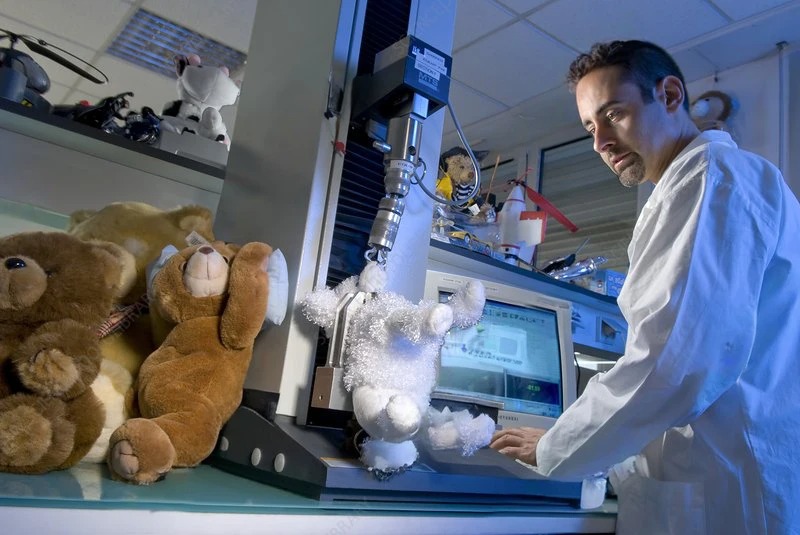
Soft Toys Testing evaluates physical and mechanical safety of the toys, as well as the chemicals used in the components. It also evaluates the quality of materials used in the manufacture of the toys and helps to identify problems including loose components, sharp edges, harmful substances, flammability, and weak stitching.
At METS Laboratories, our Soft Toys Testing Laboratory provides our clients with the opportunity to evaluate product safety and quality through safety and quality assurance tests. If you manufacture stuffed toys, including teddy bears, plush toys, dolls and other stuffed toys, routine evaluation can help meet the required standards and guarantee safety of your customers.
Why Is Soft Toy Safety Testing Important?
Soft toys are hugged, squeezed and sometimes put in the mouth by children. Hence, assessing product safety is critical. Toys may seem safe, but may contain materials or components which pose safety hazard to children.
Professional Soft Toy Safety Testing helps manufacturers identify potential hazards before products are sold. It can help businesses:
Small components that may cause a choking hazard, for example, buttons or eyes.
Poor quality stitching that may give way with pulling.
Use of restricted substances and/or unsafe materials.
Defects that may pose a flammability risk and/or other hazards.
Increase the longevity and consistency of products made.
Show adherence to applicable toy safety regulations.
Toy safety testing helps identify design flaws before products are released for sale. In the example of a teddy bear, if the plastic eyes are poorly designed and attached, they may come off if a child pulls on them. Proper testing can help identify this concern and improve the design of the product prior to distribution.
Soft Toys Testing Services at METS Laboratories
Different soft toys present different materials, construction methods and safety concerns. Therefore, testing different aspects of safety and quality of soft toys vary depending on the design and intended user age of the product.
METS Laboratories is able to test for the physical, mechanical, chemical, flammability and other concerns related to the materials, components and construction of soft toys.
Our testing scope may include:
Physical and Mechanical Testing: Examination of accessible components, seams, attachments and construction-related hazards.
Chemical Testing: Assessment of materials for applicable restricted substances, including certain heavy metals and other regulated chemicals.
Flammability Testing: Evaluation of how toy materials respond to ignition and burning under relevant test conditions.
Material Testing: Assessment of fabrics, filling materials and other components used in toy manufacturing.
Construction and Durability Assessment: Evaluation of stitching, seams and attached decorative elements for potential safety issues.
Through Plush Toy Testing we help manufacturers evaluate their products for safety, quality and other concerns.
Soft Toys Testing Standards and Compliance Requirements
Soft toys should comply with the applicable regulations and safety standards for toys. To understand which standards, apply to their products, manufacturers and importers should conduct an investigation before arranging testing.
Some important standards and regulatory references include:
IS 9873 (Part 1): Deals with safety aspects related to mechanical and physical properties of toys.
IS 9873 (Part 2): Deals with flammability of toys.
IS 9873 (Part 3): Deals with migration of certain elements from toy materials.
IS 9873 (Part 4): Deals with safety aspects related to experimental sets for Chemistry and other similar activities.
IS 9873 (Part 7): Deals with safety of finger paints used in toys.
IS 9873 (Part 9): Deals with certain chemical compounds in toys.
IS 15644: Deals with electrical safety of toys, where applicable.
The Toys (Quality Control) Order, 2020, as amended, has made the BIS certification mandatory for toys covered under the order, subject to the conditions and exemptions, if any. Soft toys come within the purview of toy safety requirements.
The exact testing requirements would depend on the materials of which the toy is made, the manner in which it is constructed, the age group for which it is intended and the applicable standard, if any. Enterprises should verify the latest requirements from BIS and the applicable testing lab, and then only approach BIS lab for certification.
Types of Soft Toys We Test
Different soft toys require different testing considerations depending on their construction, materials and intended use. Our testing support can encompass a wide array of products including, but not limited to, the following:
Stuffed Toy Testing for teddy bears, stuffed animals and other fabric-filled toys.
Plush dolls and character toys made from synthetic or natural fabrics.
Soft baby toys designed for infants and toddlers.
Fabric-based educational and sensory toys.
Soft animal toys with plastic eyes, buttons and decorative attachments.
Cushions and similar play products designed specifically as children’s toys.
Handmade and commercially manufactured soft toys.
Our testing approach considers the toy’s design, material composition and intended age group to determine the relevant safety evaluation requirements.
Our Soft Toys Testing Process
A structured testing process helps to understand product safety requirements and to identify issues prior to distribution the product.
At METS Laboratories, the general process involves the following steps:
Initial Consultation: Product details such as materials, age group, and type of testing required are discussed.
Sample Submission: Provide representative toy samples in the quantity specified for the selected tests.
Test Requirement Assessment: The appropriate standard and test parameters are established based on the product characteristics.
Laboratory Evaluation: Products are evaluated for physical or mechanical characteristics, chemical composition, and/or flammability.
Result Compilation: Observations and test results are reviewed and documented.
Report and Guidance: The testing report is shared, along with information about any identified non-conformities, where applicable.
This process gives manufacturers a clearer understanding of product performance and the improvements needed to meet relevant safety requirements.
Why Choose METS Laboratories for Soft Toys Testing?
The selection of a testing lab is an important aspect of product compliance. To satisfy legal requirements, manufacturers need test results and a lab’s interpretation of the standards applicable to the product.
METS Laboratories supports businesses with product testing and quality evaluation requirements.
Here are some reasons to consider our services:
Product-Focused Evaluation:Testing requirements are based on the materials, construction, and intended use of the toy.
Safety and Compliance Support: We help determine the applicable standards and assess the testing requirements.
Quality Assessment: We evaluate product characteristics that may affect safety, durability, and usability.
Clear Reporting: Test findings are documented for client’s understanding of results.
Business Support: We provide test services for manufacturers, importers, suppliers, and brand owners.
Our Stuffed Toy Testing support helps businesses evaluate different product designs and address potential safety concerns before entering the market.
Who Needs Soft Toys Testing Services?
Product safety evaluation is essential for businesses engaged in manufacturing, importing, distributing or selling toys. It is crucial at the time of launching new products or making changes to existing products.
Our services may be useful for:
Soft toy manufacturers developing new product ranges.
Importers bringing children’s toys into the Indian market.
Exporters preparing products for international markets.
Toy brands working with third-party manufacturing units.
Retailers and distributors seeking product quality assurance.
Startups launching handmade or customised soft toys.
Whether you are introducing a new teddy bear collection or manufacturing plush characters for retail distribution, appropriate testing can help you understand product safety expectations and regulatory responsibilities.
Frequently Asked Questions
What is soft toys testing?
Soft Toys Testing is the process of evaluating toys for physical, mechanical, chemical and other relevant safety requirements. It helps identify potential hazards such as loose components, weak stitching, harmful substances and flammability risks before products reach children.
. Is BIS certification mandatory for soft toys in India?
Yes, Soft toys covered under the Toys (Quality Control) Order, 2020, generally require BIS certification before being manufactured, imported or sold in India, subject to applicable exemptions and provisions. Manufacturers should verify the current certification requirements for their products.
Which standards apply to soft toys testing?
The applicable standards depend on the toy's construction and materials. Important references include IS 9873 (Part 1) for mechanical and physical safety, IS 9873 (Part 2) for flammability, IS 9873 (Part 3) for migration of certain elements and IS 9873 (Part 9) for certain phthalates. The latest applicable editions and amendments should be confirmed before testing.
What tests are required for plush toys?
Plush Toy Testing may include seam strength, tension testing, small-parts assessment, flammability evaluation and chemical testing, depending on the toy's construction and applicable requirements. Toys with plastic eyes, buttons or decorative attachments may need additional safety assessments.
What is the difference between soft toy testing and plush toy testing?
Both terms generally refer to evaluating the safety and quality of fabric-based toys. Soft toy testing is a broader term covering different stuffed and fabric toys, while Plush Toy Testing commonly focuses on toys made using soft fabrics and filling materials. The actual testing requirements depend on product design rather than its marketing name.
How long does soft toys testing take?
The testing timeline depends on the number of samples, selected test parameters, applicable standards and laboratory workload. Some evaluations may be completed relatively quickly, while extensive chemical and physical assessments may require additional time. Contact the laboratory for an estimated timeline based on your product.
How much does soft toys testing cost in India?
The cost depends on the type of toy, number of materials, required tests, sample quantity and applicable standards. Stuffed Toy Testing involving multiple components or different chemical evaluations may require additional testing. Contact METS Laboratories at +91-8800505077 for a quotation based on your requirements.
What documents are required for soft toys testing?
The commonly requested information may include:
Product specification and description.
Manufacturer or applicant details.
Material and component information.
Intended age group.
Sample details and quantity.
Applicable standard or requested testing scope.
Additional documentation may be required depending on the certification or testing purpose.
Can METS Laboratories test soft toys for international markets?
Yes, testing requirements for international markets can be discussed based on the destination country and applicable product safety regulations. Manufacturers planning exports should identify the relevant requirements before submitting samples. Our Soft Toys Testing Laboratory team can help discuss the appropriate testing scope.
How can I book soft toys testing at METS Laboratories?
You can contact METS Laboratories to discuss your product, testing requirements and sample submission process. Share details about the toy's materials, construction and intended age group so the appropriate evaluation can be identified.