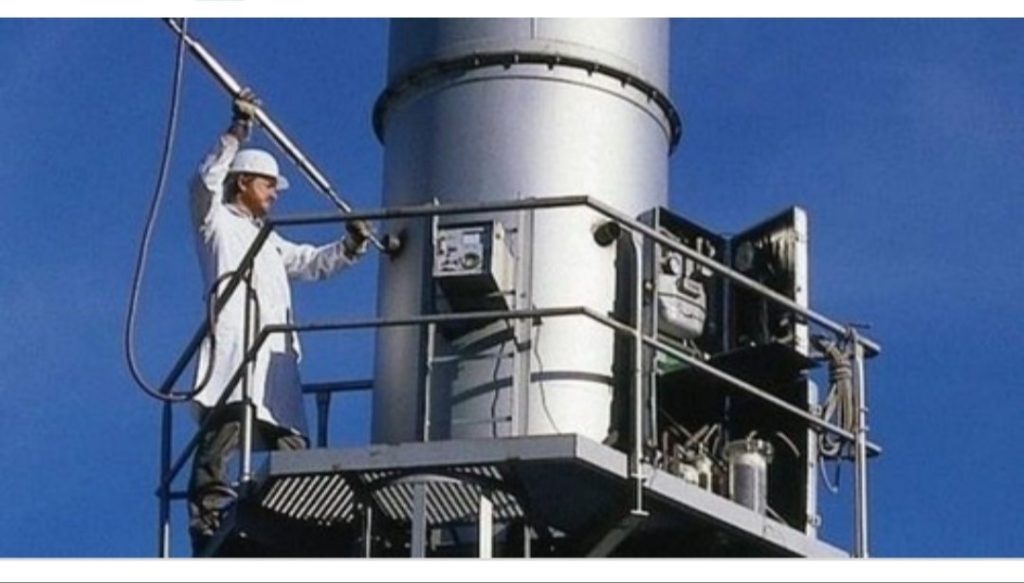
At METS Laboratories, we take pride in being a trusted partner in environmental stewardship. Our Stack Emission Testing services are designed to measure the quantity and nature of pollutants released from industrial stacks, ensuring that air emissions are within permissible limits set by regulatory authorities. Stack emissions testing isn’t just about compliance—it’s about accountability. As industrial activities increase, so does the importance of monitoring air pollutants to protect public health and the environment. With advanced instrumentation and adherence to international testing standards, METS Laboratories delivers reliable, defensible results that support industries in meeting environmental obligations while building public trust.
Why Stack Emission Testing Is Important?
Air pollution remains one of the greatest environmental challenges of our time. Industrial emissions contribute significantly to ambient air pollution, affecting ecosystems, climate, and human health. That’s where stack emission testing becomes vital. Regular monitoring of emissions ensures: • Compliance with national and international regulations (e.g., CPCB, SPCB, EPA, ISO). • Prevention of excessive air pollutant release such as SOx, NOx, particulate matter, and volatile organic compounds. • Protection of workers, nearby communities, and the broader environment. • Support for sustainable industrial development and reduction of carbon footprints. Stack emission testing is both a legal responsibility and a moral imperative in today’s industrialized world.
• Power plants • Cement and steel manufacturing • Chemical and petrochemical plants • Pulp and paper industries • Pharmaceuticals • Textile processing • Food and beverage manufacturing
What METS Laboratories Offers?
We offer comprehensive stack emission monitoring services tailored to your specific operational and regulatory needs: Key Offerings: • On-site stack monitoring using state-of-the-art portable and fixed instruments • Customized monitoring plans based on stack geometry, fuel type, and process emission profiles • Data interpretation and trend analysis for compliance and decision-making • Detailed and audit-ready test reports aligned with CPCB/SPCB and ISO 17025: 2017 requirements • Assistance with pollution control planning and environmental audits Optional Value-Add Services: • Source Apportionment Studies • Emission Factor Determination • Air Quality Modelling Support • Technical consultancy on Best Available Techniques (BAT)
Emissions control is no longer just about passing inspections—it’s about demonstrating integrity. Protect Consumers: Airborne pollutants from industrial stacks can cause respiratory issues, cardiovascular disease, and long-term environmental damage. Testing ensures pollutants are within safe limits, preserving public health. Satisfy Authorities: Meet CPCB/SPCB requirements, avoid penalties, and build cooperative relationships with regulatory bodies through documented compliance. Boost Market Confidence: Sustainable practices increase brand value, investor trust, and market access—especially in export-driven industries and ESG-conscious markets. Stack emission monitoring is a testament to your company’s commitment to cleaner production and responsible growth.
Frequently Asked Questions
How often should stack emission testing be performed?
Testing frequency is typically prescribed by state or central pollution control boards. Generally, quarterly or biannual testing is recommended based on emission type and plant size.
Can METS test multiple stacks simultaneously?
Yes. Our team is equipped to handle multi-stack monitoring with synchronized data collection and certified sampling teams.
What happens if my emissions exceed permissible limits?
METS Laboratories provides guidance on corrective actions, potential pollution control measures, and root cause analysis to bring levels within acceptable thresholds.
Are your testing methods accredited?
Yes. All testing methods are in accordance with ISO/IEC 17025: 2017 and relevant national/international guidelines such as USEPA and CPCB.
Can you help with report submission to regulatory bodies?
Absolutely. We provide ready-to-submit reports and, if required, coordinate with authorities to streamline your compliance process.