
Automotive Textiles Testing – METS Laboratories
Automotive textiles do more than improve the appearance of a vehicle. They contribute to passenger comfort, interior durability and overall product quality. From seat covers and floor carpets to headliners and door panels, these materials must withstand daily wear, friction, sunlight and changing temperatures.
METS Laboratories provides professional testing solutions to help automotive manufacturers, textile suppliers and quality control teams evaluate material performance. As an automotive textile testing laboratory, we help businesses assess textile quality, identify potential material weaknesses and verify performance against relevant testing standards.
Our testing services support manufacturers in selecting suitable materials, improving product consistency and meeting customer-specific quality requirements.
What is Automotive Textile Testing?
Automotive textile testing is the process of examining fabrics and textile materials used in vehicles to evaluate their physical, mechanical and performance properties.
These tests help determine how well automotive fabrics resist abrasion, tearing, stretching, colour fading and other conditions encountered during regular use.
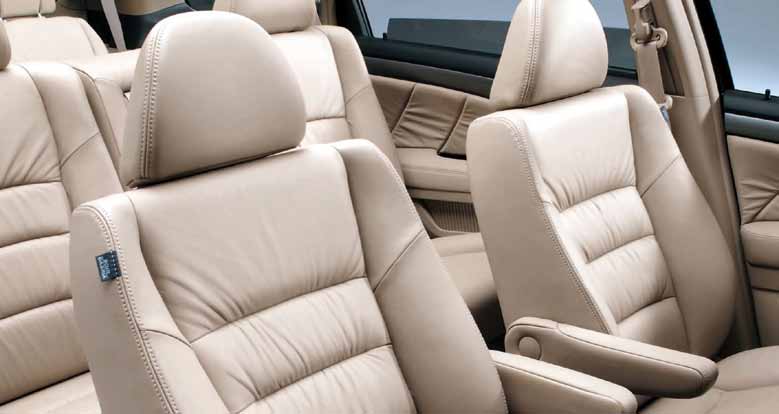
For example, car seat upholstery experiences repeated friction whenever passengers enter or exit a vehicle. Without proper testing, the fabric may develop visible wear, lose its colour or become damaged earlier than expected.
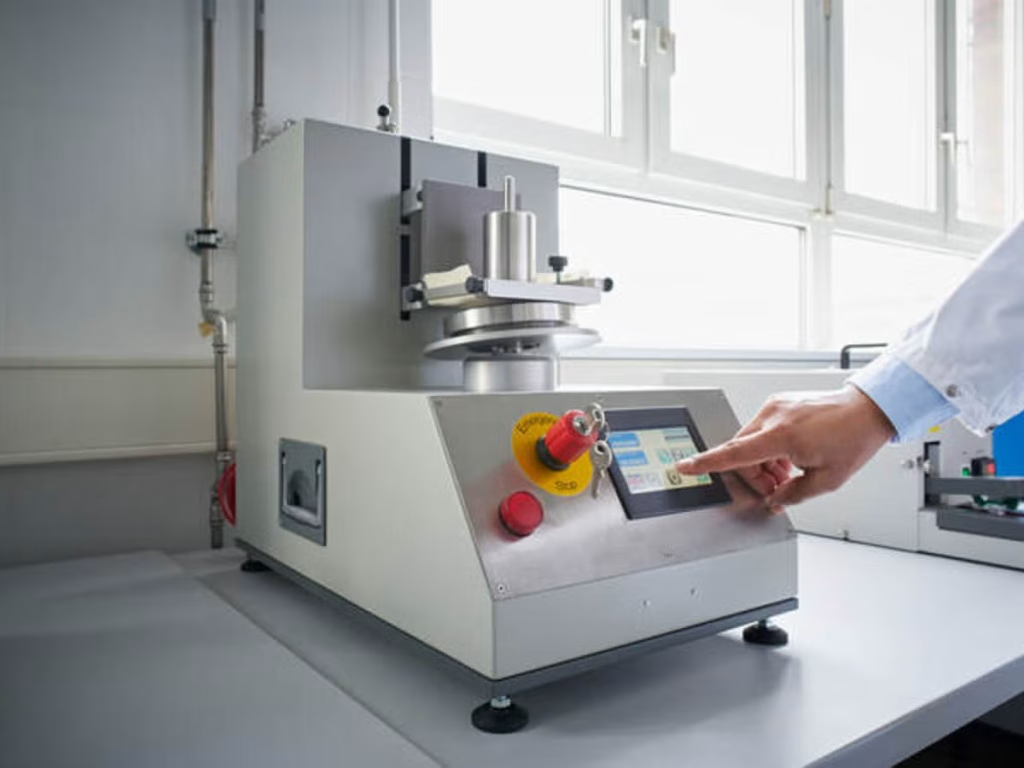
An automotive textile testing laboratory evaluates these characteristics through standardised testing methods, helping manufacturers understand whether materials meet their intended performance requirements.
Automotive Textile Testing for Quality, Durability and Performance
Automotive textiles are exposed to different types of stress throughout their service life. Seat fabrics experience repeated rubbing, floor coverings face continuous foot traffic, and interior panels may be exposed to heat and sunlight.
Automotive fabric testing helps manufacturers understand how these materials respond to such conditions before they are incorporated into finished vehicle components.
Key benefits of automotive textile testing include:
- Improved Material Quality: Identify weaknesses in fabric strength, construction and surface performance.
- Better Durability: Evaluate resistance to abrasion, tearing and repeated mechanical stress.
- Colour Performance: Assess colour fastness against rubbing, light and other specified conditions.
- Quality Consistency: Compare material samples and verify manufacturing specifications.
- Reduced Product Failures: Detect potential performance concerns before large-scale production.
- Customer Requirement Verification: Evaluate textiles against relevant standards and buyer specifications.
Regular testing supports better material selection and helps manufacturers maintain consistent quality across production batches.
Types of Automotive Textiles We Test
Different automotive components require different textile properties. Some materials need high abrasion resistance, while others must maintain dimensional stability, colour appearance or specific mechanical characteristics.
METS Laboratories supports testing enquiries for various automotive textile materials, including:
Automotive Seat Upholstery Fabrics
Woven, knitted and coated fabrics used in vehicle seats require evaluation for abrasion resistance, tensile strength, colour fastness and surface durability.
Automotive Carpets and Floor Mats
Vehicle carpets and floor coverings are exposed to continuous foot traffic, dirt and friction. Testing helps evaluate their resistance to wear and physical damage.
Headliner Fabrics
Headliner materials used in vehicle roof interiors may require testing for dimensional stability, colour fastness and other application-specific properties.
Door Panel and Interior Trim Fabrics
Decorative and functional textiles used on door panels and interior surfaces are evaluated for appearance retention, strength and durability.
Seat Belt Webbing
Seat belt webbing requires specialised mechanical testing according to applicable safety and product specifications.
Nonwoven Automotive Textiles
Nonwoven materials used in insulation, acoustic components and interior linings may require evaluation of their physical and functional properties.
Automotive upholstery fabric testing helps suppliers understand whether seating materials can withstand repeated contact and everyday use.
Automotive Textile Testing Services and Parameters
Automotive textile materials must satisfy different performance requirements depending on their application. Testing helps manufacturers measure important properties and compare results with specified acceptance criteria.
METS Laboratories provides testing support for evaluating automotive textile characteristics through applicable methods.
|
Testing Parameter |
Purpose of Testing |
|
Abrasion Resistance |
Evaluates resistance to surface wear caused by repeated rubbing. |
|
Tensile Strength |
Measures the force required to break a fabric under tension. |
|
Tear Strength |
Determines the resistance of textile materials to tearing. |
|
Colour Fastness to Rubbing |
Assesses colour transfer during dry and wet rubbing. |
|
Colour Fastness to Light |
Evaluates colour changes after controlled light exposure. |
|
Pilling Resistance |
Determines the tendency of fabrics to develop surface pills. |
|
Dimensional Stability |
Measures changes in fabric dimensions after specified treatments. |
|
Flammability Testing |
Evaluates burning behaviour under applicable test conditions. |
|
Seam Strength |
Measures the strength of stitched fabric joints. |
|
Fabric Thickness and Mass |
Determines physical properties relevant to material specifications. |
Automotive fabric abrasion resistance testing is particularly important for seat covers, armrests and other high-contact surfaces.
The selection of testing parameters depends on the material type, intended application and requirements specified by the manufacturer or customer.
Automotive Textile Testing Standards
Automotive textile testing is performed according to relevant national and international standards, depending on the material and testing requirements.
Commonly referenced standards include:
ISO 12947 – Abrasion Resistance
Used to evaluate the abrasion resistance of fabrics through the Martindale method.
ISO 12945 – Pilling Resistance
Provides methods for assessing fabric pilling, fuzzing and matting.
ISO 105 – Colour Fastness
Includes methods for evaluating textile colour fastness under different exposure conditions.
ISO 13934 – Tensile Properties
Used to determine the tensile strength and elongation properties of fabrics.
ISO 13937 – Tear Properties
Provides methods for evaluating the tear resistance of textile materials.
ISO 3795 – Burning Behaviour
Used to determine the burning behaviour of materials used in vehicle interiors.
ASTM D3884 – Abrasion Resistance
Evaluates textile abrasion resistance using the rotary platform, double-head method.
Testing requirements may also include specifications established by automotive manufacturers and component suppliers.
As an automotive textile testing laboratory, METS Laboratories helps customers discuss suitable testing methods based on their materials and specified requirements. Test availability and applicable accreditation scope should be confirmed before submitting samples.
Why Choose METS Laboratories for Automotive Textile Testing?
Selecting the right testing laboratory is important for manufacturers who need dependable information about textile quality and performance.
METS Laboratories supports automotive textile manufacturers, suppliers and quality teams with material testing requirements.
Testing Based on Material Applications
Different automotive components require different performance characteristics. Testing parameters can be selected according to the material's intended use and customer specifications.
Relevant Testing Methods
Material evaluations are planned with reference to applicable testing methods and specified quality requirements.
Support for Quality Control
Testing results help manufacturers identify potential material concerns, compare suppliers and monitor product consistency.
Clear Testing Requirements
Our team helps customers understand the information, sample details and specifications required before testing.
Useful Test Reports
Testing reports provide documented results that support material evaluation and quality-related decisions.
For businesses searching for an automotive textile testing laboratory, METS Laboratories offers a professional point of contact for discussing testing requirements and sample evaluation.
Our Automotive Textile Testing Process
METS Laboratories follows a structured approach to help customers identify suitable testing requirements and understand the sample evaluation process.
Step 1: Share Your Testing Requirements
Contact our team with details about your automotive textile material, intended application and required testing parameters.
Step 2: Sample Submission
Submit the textile samples according to the laboratory's confirmed sample quantity and preparation requirements.
Step 3: Sample Evaluation
The submitted material is evaluated using the agreed testing methods and relevant test conditions.
Step 4: Test Result Documentation
Testing results are documented in a report containing the relevant measurements, observations and testing details.
Step 5: Report Delivery
The completed test report is provided to support material assessment, quality verification and further product-related decisions.
Who Needs Automotive Textile Testing?
Automotive textile testing is important for businesses involved in vehicle manufacturing, textile production, component development and quality assurance.
The following industries and professionals commonly require these services:
- Automotive Manufacturers: To assess textile materials used in vehicle interiors.
- Automotive Component Suppliers: To verify materials against customer-specific requirements.
- Textile Manufacturers: To evaluate fabric quality before supplying automotive applications.
- Upholstery Manufacturers: To assess the strength, appearance and durability of seating fabrics.
- Quality Control Teams: To monitor material consistency and investigate performance concerns.
- Research and Development Teams: To compare textile materials during product development.
- Importers and Exporters: To obtain testing information required by buyers or relevant specifications.
For example, an automotive seat cover manufacturer may need abrasion resistance and colour fastness results before approving a new fabric for production.
Similarly, a vehicle carpet supplier may require durability testing to understand how its material performs under repeated mechanical wear.
Frequently Asked Questions
What is automotive textile testing?
Automotive textile testing evaluates the strength, durability, colour fastness, abrasion resistance and other performance properties of fabrics used in vehicles. It helps manufacturers assess material quality against applicable standards and customer specifications.
Which automotive textile materials can be tested?
Common materials include seat upholstery fabrics, carpets, floor mats, headliners, door panel textiles, seat belt webbing and nonwoven interior materials. Testing suitability depends on the material type and required parameters.
Which standards are used for automotive textile testing?
Common standards include ISO 12947 for abrasion resistance, ISO 12945 for pilling, ISO 105 for colour fastness, ISO 13934 for tensile properties and ISO 3795 for burning behaviour. Other standards may apply depending on customer requirements.
How much time does automotive textile testing take?
The testing time depends on the selected parameters, testing methods, number of samples and laboratory workload. Customers can contact METS Laboratories to confirm the expected turnaround time for their requirements.
What information is required to request a quotation?
To request a quotation, provide the textile material type, intended application, required test parameters, applicable standards, sample quantity and any customer-specific testing specifications.
How can I request automotive textile testing services from METS Laboratories?
You can contact METS Laboratories at +91-8800505077 or visit metslab.in to discuss your testing requirements, sample submission details, quotation and expected turnaround time.
-
Garments & Apparels Testing
-
Geo-Textiles Testing
-
Grey Fabrics Testing
-
Agro-Textiles Testing
-
Carpet & Rugs Testing
-
Diaper Testing
-
Fibre & Filaments Testing
-
Finished Fabric Testing
-
Industrial Textiles Testing
-
Medical Textile Testing
-
Packaging Textiles Testing
-
Protective Textiles Testing
-
Sports Textiles Testing
-
Terry Fabrics & Its Products Testing
-
Textile Rubber Composite Testing
-
Textiles & Fabrics Testing
-
Yarns & Cords Testing