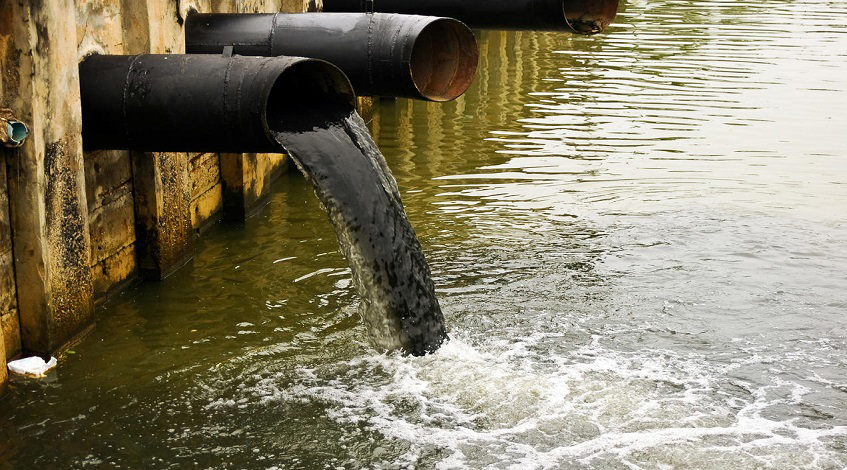

Waste Processed Water Testing – METS Laboratories
Wastewater generated by industrial, manufacturing and commercial processes may contain substances that are harmful to the environment and need to be treated prior to discharge or reuse. Industries should evaluate the quality of their wastewater to discharge or reuse it and comply with the applicable requirements of the environmental laws.
METS Laboratories in India offers Wastewater Testing Services to help industries assess the quality of water, monitor the performance of treatment processes and take the right decision regarding the discharge or reuse of water.
Our testing covers essential physical, chemical and microbiological parameters, including BOD, COD, TSS, TDS, pH, heavy metals and other relevant contaminants. Whether you operate a manufacturing facility, Effluent Treatment Plant (ETP) or Sewage Treatment Plant (STP), our laboratory testing solutions help you evaluate wastewater quality through reliable analysis.
As an experienced wastewater testing laboratory, METS Laboratories helps its clients with testing services as per their industry, the treatment processes used, and the applicable requirements.
What Is Wastewater Testing?
Wastewater testing is the analysis of water in laboratories to evaluate the level of pollution in the water that has been used in different processes. It helps identify physical, chemical and biological pollutants to determine the suitability of the water for further treatment, discharge or reuse.
During Wastewater Testing Services, samples are analysed for parameters such as:
- Biological Oxygen Demand (BOD)
- Chemical Oxygen Demand (COD)
- Total Suspended Solids (TSS)
- Total Dissolved Solids (TDS)
- pH
- Heavy metals
- Oil and grease
- Microbiological contaminants
For examples of who needs this testing includes a manufacturing facility to analyze their wastewater prior to discharge, and an ETP (Extended Aerated Treatment Plant) operator who requires testing to evaluate the efficiency of the treatment process.
A qualified Wastewater testing laboratory uses appropriate analytical methods to provide results that help businesses understand water quality and maintain environmental records.
Why Is Wastewater Testing Important?
Wastewater testing is important in environmental protection and in the operations of various industries and sectors and in compliance with laws and regulations. Untreated or under-treated wastewater can contaminate and pollute rivers, lakes and other water bodies, soil and ground water.
Regular testing helps organizations identify problems and gain better control on their wastewater management processes.
Key benefits include:
- Environmental Protection: Identifies pollutants that adversely affect aquatic ecosystems and other surrounding environments.
- Regulatory Compliance: Helps industries evaluate wastewater against applicable CPCB, SPCB and other environmental requirements.
- Treatment Plant Monitoring: Assesses how efficiently treatment systems remove organics, suspended solids and other contaminants.
- Safe Water Reuse: Assesses whether treated water is suitable for various non-potable uses.
- Operational Efficiency: Identifies inefficiencies in wastewater treatment and possible process improvements.
- Risk Reduction: Supports environmental monitoring and helps reduce the possibility of avoidable compliance issues.
Professional Wastewater Testing Services also provide documented analytical results that businesses can use for internal monitoring, environmental audits and applicable regulatory submissions.
Applicable Standards and Guidelines for Wastewater Testing in India
Wastewater testing in India must be aligned with the applicable environmental legislation, discharge requirements and recognized analytical methods.
Some important regulatory and technical references include:
- Central Pollution Control Board (CPCB)
CPCB is responsible for formulation of environmental standards and technical guidelines pertaining to industrial wastewater and effluents, and for pollution monitoring.
- State Pollution Control Boards (SPCBs)
State Pollution Control Boards oversee pollution control requirements within their respective jurisdictions. Industries must follow applicable consent conditions and environmental monitoring requirements.
- Environment (Protection) Rules, 1986
There are general standards for discharge of environmental pollutants and criteria for industry specific standards. Applicable standards would vary based on type of industry and discharge point.
- Bureau of Indian Standards (BIS)
Relevant BIS standards and analytical methods may be used for specific wastewater testing requirements, depending on the parameter and application.
- APHA Standard Methods
The APHA Standard Methods for Water and Wastewater Analysis describe standard methods for determining water and wastewater quality parameters.
A professional Wastewater testing laboratory should select appropriate analytical methods according to the testing requirements, sample characteristics and applicable regulations.
METS Laboratories uses relevant APHA, BIS, ISO and other applicable testing methodologies according to the analytical requirements.
Wastewater Testing Parameters We Analyse
Quality of Wastewater cannot be assessed on the basis of a single test. Physical-chemical and Microbiological parameters provide different kinds of information about the wastewater.
Our Wastewater Testing Services cover a range of parameters to help businesses understand the quality of their wastewater samples.
Physical Testing Parameters
Physical parameters help evaluate the general characteristics and appearance of wastewater.
Common parameters include:
- pH
- Colour
- Odour
- Turbidity
- Temperature
- Total Suspended Solids (TSS)
- Total Dissolved Solids (TDS)
These measurements help identify changes in water characteristics and the presence of suspended or dissolved materials.
Chemical Testing Parameters
Analysis of chemical parameters helps identify constituents of the wastewater that may impact the treatment process, as well as the quality and the safety of the environment.
Depending on the testing requirements, parameters include:
- Biological Oxygen Demand (BOD)
- Chemical Oxygen Demand (COD)
- Total Organic Carbon (TOC)
- Ammonia
- Nitrates
- Phosphates
- Chlorides
- Sulphates
- Cyanide
- Fluoride
- Phenolic compounds
- Detergents
- Oil and grease
BOD and COD are particularly important because they indicate the oxygen demand associated with organic and chemically oxidisable substances in wastewater.
Heavy Metal Testing
Industrial wastewater may contain heavy metals originating from raw materials, manufacturing operations and industrial processes.
Testing may include:
- Lead
- Arsenic
- Mercury
- Cadmium
- Chromium
- Other relevant metals depending on the industry
Assessment of heavy metals would help identify potentially harmful contaminants and help determine if the levels of contaminants are within permissible limits.
Microbiological Testing Parameters
Microbiological testing helps identify microbial contamination in wastewater, particularly in sewage and treated effluent samples.
Common parameters include:
- Total Coliform
- Faecal Coliform
- Escherichia coli (E. coli)
- Other relevant microbiological indicators
These tests are particularly useful when evaluating treated wastewater intended for suitable reuse applications.
Additional specialised testing may also be considered for pesticide residues, PAHs, PCBs and toxicity-related parameters, depending on the sample and testing requirements.
Types of Wastewater We Test
Different industries produce wastewater of different qualities and characteristics. The nature of testing depends on the source of water, the type of treatment applied and the purpose of discharge or reuse of the water.
METS Laboratories provides testing solutions for various wastewater categories.
Industrial Wastewater Testing
Various manufacturing and processing industries produce wastewater of different qualities and characteristics, based on their operations and the raw materials used.
Our Industrial wastewater testing solutions help businesses evaluate wastewater from manufacturing activities, chemical processing, textile production, pharmaceuticals, food processing and other industrial applications.
Testing may include BOD, COD, TSS, TDS, heavy metals, oil and grease, nutrients and other industry-specific parameters.
This analysis helps industries monitor wastewater characteristics, evaluate treatment performance and assess applicable discharge requirements.
Facilities looking for Industrial wastewater testing can discuss their process-specific contaminants and analytical requirements with our team.
Effluent Treatment Plant (ETP) Water Testing
Effluent Treatment Plants are used to treat wastewater generated during industrial processes. Testing water quality at different treatment stages helps understand the performance of the system and determines the state of the system.
Our ETP water testing looks at physical, chemical and microbiological parameters that may be required to determine the quality of effluent water in relation to the standards set by various regulatory bodies.
The data allows businesses to evaluate treated effluent and take corrective actions to address treatment issues. In addition, the data helps businesses satisfy their environmental monitoring requirements.
For routine monitoring, ETP water testing can be planned around the facility’s treatment and monitoring requirements.
Sewage Treatment Plant (STP) Water Testing
Sewage Treatment Plants treat domestic and similar wastewater to remove contaminants before discharge or approved reuse.
Analysis of STPs include parameters such as BOD, COD, TSS, pH and microorganisms, depending on the intended use and prevailing standards.
Our testing assists the facility/plant managers, commercial/residential establishment managers and municipal operators to assess the treated sewage.
Treated Wastewater Testing
Treated wastewater can be utilized for various non-potable uses such as irrigation, industry, and many others, based on the water quality and regulatory requirements.
To assess whether the treated water is fit for the purpose, testing is required to determine the characteristics of water for its intended end-use.
METS Laboratories assesses physical, chemical and microbiological attributes of wastewater to determine the quality of treated water for specific end use.
Processed Wastewater Testing
Processed wastewater is used in industries and commercial activities and its composition varies based on the raw materials used and the processes involved.
Our testing helps identify relevant contaminants and evaluate water quality before further treatment, discharge or reuse.
The testing scope can be customised according to the source of the sample and the specific requirements of the facility.
Our Wastewater Testing Process
A structured process helps us ensure that wastewater samples are analyzed appropriately.
At METS Laboratories, the process generally involves the following stages:
Step 1: Understand Your Testing Requirements
Tell us about your industry, your wastewater source, your treatment process and the purpose of your testing. Our team is able to recommend the appropriate parameters based on your requirements.
Step 2: Sample Collection and Submission
Sampling can be done according to the laboratory’s collection and handling instructions. On-site sampling may also be arranged through trained field personnel, subject to service availability and location.
Step 3: Sample Handling and Preparation
Depending on the parameters being tested, samples can be prepared and preserved in an appropriate manner in order to maintain their integrity prior to analysis.
Step 4: Laboratory Analysis
Our analysts examine the samples using relevant standardised testing methodologies and suitable laboratory equipment.
Step 5: Result Evaluation and Reporting
The analytical findings are compiled into a test report showing the results for the selected parameters. The report helps businesses assess water quality against relevant specifications or regulatory limits.
Step 6: Technical Support
If requested, our team is able to provide clarification of parameters and report results to assist the client in understanding results and/or report information.
Industries That Require Wastewater Testing Services
Wastewater monitoring is important across industries that generate, treat or discharge used water during their operations.
Some major industries that require routine testing include:
- Textile and Dyeing: Wastewater contains dyes, chemicals and suspended solids.
- Pharmaceuticals: Wastewater contains organic compounds and process contaminants.
- Chemical Manufacturing: Effluent may contain chemical residues, solvents, salts and other substances.
- Food and Beverage: Wastewater may contain organics, fats, oils and grease and suspended solids.
- Paper and Pulp: Processing wastewater may contain fibers, organics and suspended materials.
- Leather and Tanning: Effluent may contain chromium, sulfides and other process-related substances.
- Metal Processing: Wastewater may contain oils and greases, heavy metals and process-related chemicals.
- Hotels and Commercial Establishments: Sewage treatment systems require ongoing monitoring to evaluate treated water quality.
- Infrastructure and Real Estate: Large residential and commercial developments may require ongoing monitoring of their STPs for discharge and reuse.
Who Needs Wastewater Testing Services?
Our services are for industrial and commercial organizations and professionals involved in the management, assessment and treatment of wastewater and environmental streams.
These include:
- Industrial manufacturers and production facilities
- ETP and STP plant operators
- Environmental consultants
- Pollution control and compliance professionals
- Municipal corporations and urban utilities
- Facility and infrastructure managers
- Commercial establishments and residential projects
- Environmental auditors
- Research and academic institutions
Whether you need routine monitoring, treatment plant evaluation or a specific analytical investigation, selecting the right testing scope is essential for obtaining meaningful results.
Why Choose METS Laboratories for Wastewater Testing?
Wastewater analysis helps environmental management, treatment and regulatory functions. We understand the importance of making right decisions pertaining to the environment and process and offer testing services aligned to industry and commerce.
METS Laboratories offers testing solutions designed around the requirements of industrial and commercial clients.
ISO/IEC 17025:2017 Accreditation
METS Laboratories states that it holds ISO/IEC 17025:2017 accreditation. Testing under the accreditation scope can provide additional confidence in the laboratory’s technical competence and quality management practices.
Wide Range of Testing Parameters
We can cover the majority of your requirements for testing of wastewater, be it basic physical parameters, chemical parameters, heavy metals, or microbiological analysis.
Relevant Testing Methodologies
We adopt the most applicable APHA, BIS, and other recognized analytical methods, in conjunction with ISO methods, to carry out the test.
Industry-Specific Testing Solutions
Since different industry sectors generate different types of wastewaters, we evaluate the parameters to be tested, based on the source of the sample and its end-use.
On-Site Sampling Support
When needed, our field personnel, trained in sampling and transportation of the samples, may be available to assist with sampling.
Clear Laboratory Reporting
We provide customers with reports that include data and measurements in tabular format to assist clients in reviewing results, and aiding them in retaining quality and environmental records.
Practical Customer Support
From understanding your requirements to clarifying reported results, our team aims to make the testing process straightforward for businesses.
Contact METS Laboratories for Wastewater Testing Services
Need reliable wastewater analysis for your industrial facility, ETP or STP?
METS Laboratories provides Wastewater Testing Services to help businesses evaluate water quality, monitor treatment performance and support environmental compliance requirements.
Whether you require Industrial wastewater testing, ETP water testing or Effluent water testing, our team can help you identify the relevant testing parameters.
Frequently Asked Questions
What is wastewater testing?
Wastewater testing is the laboratory analysis of used water to identify physical, chemical and microbiological contaminants. It helps determine water quality and assess whether the sample meets requirements for treatment, discharge or suitable reuse.
Why is wastewater testing important for industries?
It helps industries monitor pollution levels, evaluate treatment plant performance, maintain environmental records and assess compliance with applicable discharge requirements. Regular testing also helps identify potential issues before they affect operations or the environment.
Which parameters are checked during wastewater testing?
Common parameters include pH, BOD, COD, TSS, TDS, turbidity, oil and grease, nutrients and heavy metals. Microbiological parameters such as total coliform and E. coli may also be tested depending on the sample and intended application.
Which standards apply to wastewater testing in India?
Applicable requirements may include CPCB guidelines, State Pollution Control Board consent conditions, Environment (Protection) Rules, 1986, relevant BIS methods and APHA Standard Methods. Exact requirements depend on the industry, discharge destination and type of wastewater.
Is wastewater testing mandatory for industries in India?
Industries must comply with applicable environmental regulations, consent conditions and monitoring requirements. The frequency and scope of testing depend on the industry, pollution category, facility permissions and relevant State Pollution Control Board requirements.
What is the difference between wastewater testing and effluent water testing?
Wastewater testing is a broader term covering the analysis of used water from industrial, domestic and commercial sources. Effluent water testing generally focuses on water discharged from a facility or treatment process. Both can involve similar parameters, but the testing scope depends on the source and purpose of analysis.
What are BOD and COD in wastewater testing?
BOD (Biochemical Oxygen Demand) measures the oxygen required by microorganisms to break down biodegradable organic matter under specified test conditions. COD (Chemical Oxygen Demand) measures the oxygen equivalent of substances that can be chemically oxidised. Both are important indicators of wastewater pollution and treatment performance.
How often should industrial wastewater be tested?
Testing frequency depends on the industry's environmental permissions, applicable regulations, discharge conditions and internal monitoring requirements. Some facilities may need monthly or quarterly testing, while others may require more frequent monitoring.
What is the difference between ETP and STP water testing?
ETP water testing focuses on wastewater generated by industrial processes and treated through an Effluent Treatment Plant. STP water testing evaluates sewage treated through a Sewage Treatment Plant. Their testing parameters differ according to the source and treatment objectives.
. How much does wastewater test cost in India?
The cost depends on the number of parameters, type of wastewater, analytical methods, sample quantity and whether on-site sampling is required. Contact METS Laboratories with your testing requirements to request a suitable quotation.
How many samples are required for wastewater testing?
The number of samples depends on the facility, sampling locations, testing objectives and applicable monitoring requirements. A single sample may be sufficient for a specific analysis, while treatment performance studies may require samples from multiple treatment stages.
How long does wastewater testing take?
The turnaround time depends on the selected parameters and analytical procedures. Confirm the expected timeline with METS Laboratories when submitting your samples.
-
Chiller Water Testing
-
Dialysis Water Testing
-
Drinking Water Testing
-
Construction Water Testing
-
Distilled Demineralized Water Testing
-
Ground Water Testing
-
Industrial Water Testing
-
Irrigation Water Testing
-
Packaged Drinking Water Testing
-
Packaged Natural Mineral Water Testing
-
Surface Water Testing
-
Treated Water Testing
-
Water For Construction Purpose Testing
-
Water For Industrial Purpose Testing
-
Water For Medicinal Purposes Testing
-
Water For Processed Food Industry Testing
-
Water For Swimming Pool And Spas Testing
-
Water Testing