
Mon - Fri 8am - 8pm
336 Utah City Centre
Globe Icon
Globe Icon

Textile Rubber Composite Testing

Textile Rubber Composite Testing – METS Laboratories

The safety and durability of products in multiple industries depend on the quality of rubber and textile composites. Poor adhesion and tensile strength of the material can cause deterioration and unexpected failures. This may lead to increased product returns and increased costs for the manufacturer.

METS Labs is the only Indian laboratory to offer Textile Rubber Composite Testing services. Through our services, customers can evaluate the performance of materials used and help identify possible defects. Some of the properties of materials that we test include tensile strength, tear resistance, adhesion, and aging.

Whether you need Rubber Coated Fabric Testing or Rubber Textile Adhesion Testing, our team can help you determine the appropriate testing methods for your materials.

Comprehensive Textile Rubber Composite Testing Services

There are multiple environmental conditions that pose challenges to the performance of rubber composites in multiple industries. Our Textile Rubber Composite Testing Services provide means to evaluate the performance of materials used in customer products.

Our testing services include:

  • Tensile Strength Testing: A measure of the breaking strength of a rubber composite.
  • Rubber Textile Adhesion Testing: Test to evaluate the bond between rubber and textile layers.
  • Tear Resistance Testing: Determine the intensity and further propagation of a material failure.
  • Rubber Ageing Testing: Evaluate change in the properties of a rubber composite material due to influence of various environmental factors.
  • Rubber Coated Fabric Testing: Evaluation of the mechanical properties of a rubber-coated fabric.
  • Elongation Testing: Measure the extent of deformation of a material before failure.
  • Abrasion Resistance Testing: Measure how much a material can withstand surface damage due to wear and friction.

These tests allow manufacturers to locate weaknesses in their material, enhance their quality control processes, and verify conformance to their specified product requirements.

Textile Rubber Composite Testing Standards

Testing in accordance with accepted standards provides for consistency and reliability in material evaluations.

Standards may include:

ISO 1421 – Tensile strength and elongation of rubber- or plastics-coated fabrics.

ISO 2411 – Coating adhesion testing for rubber- or plastics-coated fabrics.

ISO 4674 – Tear resistance of coated fabrics.

ISO 188 – Accelerated aging and heat resistance of rubber materials.

ASTM D412 – Tensile properties of vulcanized rubber and thermoplastic elastomers.

ASTM D624 – Tear strength of rubber materials.

ASTM D751 – Methods of test for physical properties of coated fabrics.

ISO 36 – Adhesion of vulcanized rubber to textiles.

The selected testing standard is dependent on the material components, the intended end use and the customer’s requirements.

Types of Textile Rubber Composite Materials We Test

Rubber-textile composites are found in a number of diverse product types, including those requiring flexible, strong and durable components.

METS Laboratories’ personnel support requirements for Textile Rubber Composite Testing materials including:

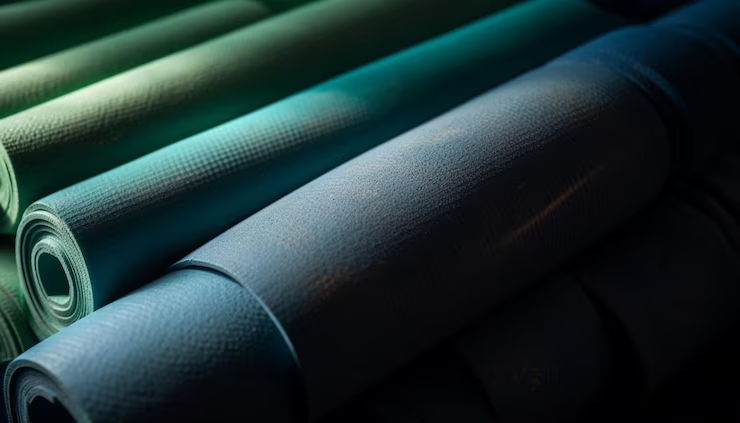
  • Rubber coated woven and non-woven fabrics.
  • Textile reinforced rubber sheets.
  • Rubberized industrial fabrics.
  • Conveyor belt reinforcement materials.
  • Rubber-textile laminates.
  • Sealing and gasketing materials.
  • Flexible rubber composite sheets.
  • Protective fabrics.

Our Rubber Coated Fabric Testing services offered by METS Laboratories allows manufacturers to assess the strength of their material, the adhesion of their coatings and the material’s resistance to different types of mechanical stresses.

Testing suitability depends on the sample construction, dimensions, and required test parameters.

Why Is Textile Rubber Composite Testing Important?

Rubber composite materials are subjected to a variety of conditions like repeated movement, mechanical loads and changes of temperature. Without testing, weaknesses of the material may not become apparent until the product is put to use.

Professional testing offers several benefits:

  • Improved Product Quality: Raw material testing identifies material defects/ weaknesses and helps eliminate them before the final stage of production.
  • Improved Product Durability: Testing helps determine the level of fatigue a material can withstand and the extent of material flexibility before failure.
  • Reduced Failures: Poor adhesion and weakness in material can lead to product failure. Testing helps identify these faults.
  • Quality Control: Testing helps ensure that the characteristics of a product produced in one batch remain consistent with the subsequent batch.
  • Material Performance: Testing helps identify the factors that affect the performance of a material and how they may be controlled.
  • Compliance to Standards: Testing may be necessary to evaluate the performance of a material against stipulated standards.

Rubber Textile Adhesion Testing is particularly important for products where strong bonding between textile reinforcement and rubber layers is essential.

Similarly, Rubber Ageing Testing helps manufacturers understand how material properties change after exposure to specified accelerated ageing conditions.

Our Textile Rubber Composite Testing Process

At METS Laboratories, we follow a structured testing process to help manufacturers obtain meaningful results for their materials.

Step 1: Requirement Assessment

Our team reviews the material type, intended application, testing parameters, and relevant standards.

Step 2: Sample Submission

Customers receive guidance regarding the required sample quantity, dimensions, and preparation.

Step 3: Sample Preparation

Samples are prepared and conditioned according to the applicable testing requirements.

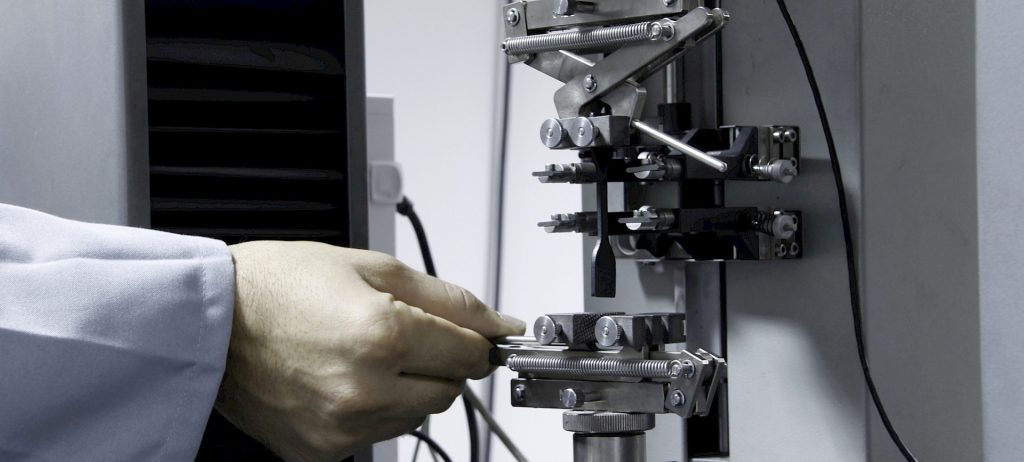
Step 4: Laboratory Testing

Using appropriate methods and laboratory equipment, the selected tests are performed. These may include evaluation of tensile strength, rubber coated fabrics testing, adhesion testing, aging assessment, and others.

Step 5: Test Reporting

A test report is prepared with the relevant testing details and measured results.

Step 6: Technical Support

Our team assists customers with questions regarding testing procedures, results, and additional testing requirements.

Why Choose METS Laboratories for Textile Rubber Composite Testing?

Choosing the right testing laboratory helps manufacturers make informed decisions about material quality and product performance.

At METS Laboratories, we offer Textile Rubber Composite Testing services covering various methods of testing, reporting and supporting our clients in the evaluation of industrial materials.

Reasons to choose our laboratory include:

  • Comprehensive Testing Services: Evaluation of tensile strength, tear and other kinds of resistance, adhesion, aging and other important properties.
  • Standards Testing: Testing in accordance with relevant national and international standards.
  • Broad Materials Scope: Support provided for coated fabrics, reinforced rubber sheets, and industrial composites.
  • Testing Guidance: Help with selecting the appropriate tests and sample preparation.
  • Clear Test Reports: Information that supports evaluation of materials, and quality control.

Our team works with manufacturers to understand their testing requirements and identify suitable laboratory solutions.

Industries We Serve

Rubber-Textile Composite Materials are used extensively in various industries requiring strength, flexibility and longevity of the materials used.

Our testing services include:

Automotive: Testing of reinforced rubber materials used in automotive components.

Conveyor Belt Manufacturing: Testing reinforcement strength and bonding performance.

Industrial Hose Manufacturing: Testing textile-reinforced rubber materials used in flexible hoses.

Construction: Testing rubber-coated fabrics and flexible composite materials.

Manufacturing & Engineering: Testing rubber composite materials used in industrial equipment and components.

Protective Textiles: Testing coated fabrics used in protective and industrial materials.

Rubber Ageing Testing is beneficial to evaluate material changes due to controlled accelerated ageing.

Frequently Asked Questions

What is textile rubber composite testing?

Textile Rubber Composite Testing evaluates the physical and mechanical properties of materials made by combining rubber with textile reinforcement. It helps assess tensile strength, adhesion, tear resistance, and durability.

Which tests are important for textile rubber composites?

Important tests include tensile strength, elongation, tear resistance, adhesion strength, abrasion resistance, and accelerated ageing. The required tests depend on the material and its application.

What is rubber-to-textile adhesion testing?

Rubber Textile Adhesion Testing measures the bonding strength between rubber and textile layers. It helps manufacturers assess whether the layers can resist separation under specified conditions.

Why is tensile strength testing important for rubber composites?

Tensile strength testing determines how much pulling force a material can withstand before breaking. It helps manufacturers evaluate mechanical strength and suitability for intended applications.

What is accelerated ageing testing for rubber composites?

Rubber Ageing Testing evaluates changes in rubber properties after exposure to controlled conditions such as elevated temperatures. It helps assess resistance to specified ageing conditions.

Which standards are used for textile rubber composite testing?

Common standards include ISO 1421, ISO 2411, ISO 4674, ISO 188, ASTM D412, ASTM D624, ASTM D751, and ISO 36. The applicable standard depends on the material and testing objective.

Can METS Laboratories test rubber-coated fabrics and reinforced rubber sheets?

METS Laboratories can review testing requirements for rubber-coated fabrics and textile-reinforced rubber sheets. Contact our team to confirm the available tests and sample requirements.

Is textile rubber composite testing important for automotive applications?

Yes, Automotive rubber composites may experience repeated mechanical stress, vibration, and temperature changes. Testing helps evaluate material properties relevant to their intended performance.

How much sample material is required for testing?

The required sample quantity depends on the testing standard, material dimensions, and number of tests. Contact METS Laboratories for specific sample requirements.

How long does textile rubber composite testing take?

Testing time varies depending on the selected parameters, sample preparation, and laboratory workload. Contact our team for an estimated turnaround time.