

Mon - Fri 8am - 8pm
336 Utah City Centre
Globe Icon
Globe Icon

Cereals, Pulses & Cereal Products Testing

Cereals, Pulses & Cereal Products Testing – METS Laboratories

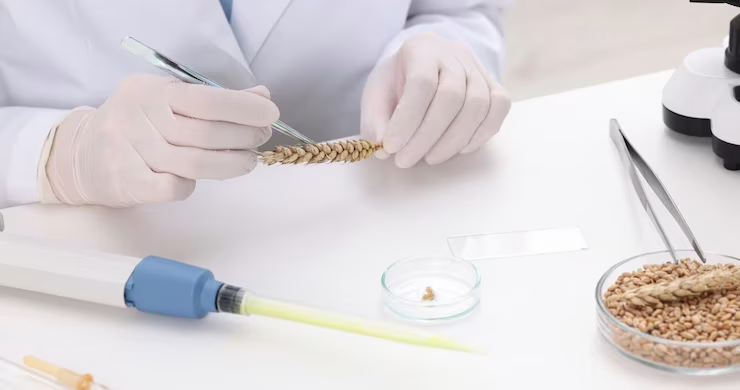
Cereals and pulses are essential foods and so, the safety and quality of these foods is very important to processors, suppliers and exporters. Contamination of foods by mycotoxins, heavy metals and pesticide residues affects product quality and safety and can also compromise compliance with food regulations. 

At METS Laboratories, we offer comprehensive Cereals and Pulses Testing Services to help businesses evaluate the quality, nutritional composition and safety of different grains, pulses and cereal-based food products.

We have extensive experience in analysis and testing of cereals and pulses including cereal products like wheat, rice and maize and pulses like lentils and chickpeas.

Our laboratory services enable customers to evaluate and monitor contaminants in their products and help them to achieve food safety requirements.

Food manufacturers, agricultural commodity suppliers and exporters can benefit from the testing services offered by METS Laboratories to validate product quality and safety.

Need reliable testing for your cereal or pulse products? Contact METS Laboratories to discuss your requirements.

Comprehensive Cereals and Pulses Testing Services

Different cereals and pulses have specific quality characteristics and safety requirements. Our Cereals Testing Laboratory services cover various analytical parameters to help businesses assess product quality, identify contaminants and verify food safety.

  1. Physicochemical Testing

These tests help analyse the basic composition and physical properties of cereals and pulses. Moisture and ash determine the quality of the product and affect the safety of storage and further processing of the product.

  1. Microbiological Testing

These tests aid in the evaluation of microorganisms that may pose a risk to food safety and food quality. Examples include tests for total plate counts, yeast and moulds, coliforms, E. coli and Salmonella.

  1. Mycotoxin Testing

Mycotoxins are toxins produced by certain Molds that can form on grains during storage. Testing for mycotoxins aids in evaluation of potential risks to food safety. Testing for aflatoxins, ochratoxin A and deoxynivalenol will help determine food safety risks.

  1. Pesticide Residue Testing

This involves the determination and quantification of residues of agricultural pesticides in cereals and pulses and assesses the level of compliance to maximum residue limits.

  1. Heavy Metal Testing

This test checks the presence of heavy metals like lead, cadmium, arsenic and mercury in food grains. Heavy metal analysis can help determine metal contamination of food grains.

  1. Nutritional and Compositional Analysis

This test analyses the nutritional composition of cereals and pulses in terms of protein, fats, fibre and minerals. It is useful to food industries and businesses for product development and labelling.

  1. Adulteration and Authenticity Testing

Testing for adulteration determines the presence of unwanted materials and foreign grains in food products. It helps assure product quality and safety.

Types of Cereals and Grains We Test

Our Grain Testing Services cover different cereal varieties used in food manufacturing, processing and distribution. We help businesses evaluate grain quality, nutritional composition and potential contamination.

  1. Wheat Testing

Wheat testing helps assess levels of moisture and protein in wheat, ash and foreign matter. This test is helpful for flour mills and bakeries as well as wheat processing industries.

  1. Rice Testing

Rice analysis helps assess moisture, broken grains, foreign matter and possible contamination. Testing benefits processors and exporters to ensure consistency in their product.

  1. Maize and Corn Testing

Testing of maize and corn helps assess quality parameters including moisture, mycotoxins and pesticide residues. It is useful to agricultural commodity suppliers and starch producing industries.

  1. Millet and Sorghum Testing

With the increasing use of millets and sorghum in health foods, and other products, there is a need to evaluate these for their quality and potential contaminants.

  1. Other Cereal Grain Testing

We also perform tests on other cereal grains including barley, oats and rye, as per the client’s and product requirements.

Types of Pulses We Test

Pulses are excellent sources of protein, fibre and other essential nutrients. Our Pulses Testing Laboratory services help businesses evaluate the quality, composition and safety of different pulse varieties.

  1. Chickpea Testing

Quality assessment of chickpea for processing and distribution involves analysis to determine moisture and foreign matter, as well as contaminant levels.

  1. Lentil Testing

Analysis of lentil helps assess important quality parameters including nutritional value, level of contamination and possible pesticide residues.

  1. Pigeon Pea Testing

Pigeon pea, commonly known as Toor Dal, can be evaluated for physical purity, moisture, protein content and potential chemical contaminants.

  1. Green Gram and Black Gram Testing

Quality assessment of green gram and black gram includes analysis of foreign matter and safety assessment.

  1. Kidney Beans and Other Beans Testing

Various tests may be performed on dry beans to determine the presence of moisture and foreign materials as well as to evaluate the bean’s composition and to identify possible contaminants.

Important Testing Parameters for Cereals and Pulses

Depending on the nature of the product being tested, appropriate criteria need to be selected to assess the quality and safety of food grains. Our Grain Testing Services cover several important analytical areas based on the product type and testing requirements.

  1. Physicochemical Testing Parameters
  • Moisture content
  • Ash content
  • Protein content
  • Fat content
  • Acidity and pH, where applicable
  • Bulk density
  1. Microbiological Testing Parameters
  • Total Plate Count
  • Yeast and Mould
  • Coliforms
  • E. coli
  • Salmonella
  1. Mycotoxin Testing Parameters
  • Aflatoxin B1
  • Total Aflatoxins
  • Ochratoxin A
  • Deoxynivalenol (DON)
  • Zearalenone
  1. Heavy Metal Testing Parameters
  • Lead
  • Cadmium
  • Arsenic
  • Mercury
  1. Pesticide Residue Testing

Testing helps identify and quantify relevant pesticide residues in cereal and pulse samples to assess compliance with applicable regulatory limits.

  1. Physical Quality Testing
  • Foreign matter
  • Damaged grains
  • Broken grains
  • Insect-damaged grains
  • Discoloured grains
  • Grain size and appearance

Cereal Products and Processed Grain Testing

Apart from raw agricultural commodities, processed cereal products also require proper quality and safety evaluation. Our Cereal Products Testing solutions help manufacturers assess nutritional composition, contamination and product quality.

  1. Flour and Flour-Based Product Testing

We test a range of cereal-based flours including wheat and maize flours. We assess levels of various contaminants and evaluate microbiological quality and moisture of the samples.

  1. Breakfast Cereal Testing

It is important to assess breakfast cereals for safety and quality to ensure product consistency. Breakfast cereals include puffed rice, corn flakes, granola, muesli and other cereals.

  1. Cereal-Based Snacks Testing

Thorough assessments can determine the quality and safety of cereal based extruded and puffed snack foods and grains. Snack foods under assessment can include cereal-based extruded snacks, popcorn and other pop-based cereal snacks.

  1. Cereal and Pulse-Based Food Ingredients Testing

There is also potential to test cereal and pulse-based ingredients, grain blends, pulses flours and plant protein ingredients.

Laboratory Methods Used for Cereals and Pulses Analysis

Results from food analysis depend on several factors including the method of sample preparation and the analytical procedure used. Depending on the type of sample and the parameters to be determined, an appropriate test method is selected at METS laboratories.

  1. HPLC Analysis

High performance liquid chromatography (HPLC) can be used to analyze and identify food constituents and mycotoxins.

  1. GC-MS and GC-MS/MS Analysis

GC-MS and GC-MS/MS can be used for identification and quantification of pesticide residues in cereal and pulse samples.

  1. ICP-MS Analysis

Heavy metals like cadmium, lead, mercury and arsenic can also be analyzed using Inductively Coupled Plasma Mass Spectrometry (ICP-MS).

  1. ELISA Testing

ELISA is an immunological testing technique used for detecting selected contaminants, including certain mycotoxins.

  1. PCR and Molecular Testing

Molecular techniques can be used to confirm or identify microorganisms and assess product authenticity.

  1. AOAC, ISO, BIS and FSSAI Testing Methods

Methodologies of AOAC, ISO, BIS and FSSAI are evaluated based on the product being tested and regulatory requirement.

Why Is Cereals and Pulses Testing Important?

Cereals and Pulses are harvested, transported and stored in several stages before they are finally processed and made available for consumption. Contamination and mishandling at any of these stages may affect the quality and safety of the product.

Regular testing helps businesses:

  • Ensure food safety: Identify potential chemical and microbiological contaminants.
  • Maintain product quality: Evaluate moisture, protein, ash and other important quality characteristics.
  • Detect contamination: Identify pesticide residues, mycotoxins and heavy metals.
  • Support regulatory compliance: Assess products against applicable food safety standards.
  • Improve storage management: Monitor moisture and other parameters that influence grain stability.
  • Protect brand reputation: Maintain customer confidence through appropriate quality checks.
  • Support export activities: Evaluate products against buyer specifications and destination-market requirements.

Cereals and Pulses Testing for FSSAI and Export Compliance

Food safety compliance is important for businesses involved in cereal and pulse production, processing, storage and distribution. Our Cereals Testing Laboratory services help businesses evaluate relevant product parameters against applicable food safety and quality requirements.

  1. FSSAI Requirements for Cereals and Pulses

The Food Safety and Standards Authority of India (FSSAI) prescribes standards and regulations for different categories of food. Testing of cereals and pulses against these standards helps evaluate compliance level.

  1. Codex Alimentarius Standards

Codex Alimentarius sets food standards and guidelines to promote fair practices in international food trade. Standards are developed to protect consumers’ health and to ensure fair practices in the international food trade.

  1. Export Quality and Safety Testing

Food exporters should comply with regulations and quality standards set by the importing country and the specific requirements of the buyer. Prior to export, the quality and safety of the food should be assessed.

  1. Food Contaminant and Residue Compliance

There are many potential contaminants, both naturally occurring and manmade, that can impact food safety including mycotoxins, pesticide residues and heavy metals.

Our Cereals and Pulses Testing Process

METS Laboratories strives to simplify the testing process for clients. Our team helps clients recognize the parameters relevant to them and gain a clearer understanding of their testing needs.

Step 1 – Sample Submission

Clients should package and ship their sample of cereal, grain, pulse or processed food, according to the instructions provided by our laboratory.

Step 2 – Parameter Selection

Our team helps identify suitable testing parameters based on your product type, intended application and regulatory requirements.

Step 3 – Laboratory Analysis

Sample is analysed using the appropriate test method and procedure.

Step 4 – Testing and Reporting

The parameters in the test report represent the results of the analyses performed on the sample.

Step 5 – Technical Support

Upon request our personnel explain the parameters and give recommendations on what to do next.

Who Needs Cereals and Pulses Testing Services?

Our testing solutions are suitable for businesses and professionals involved in the agricultural and food supply chain, including:

  • Cereal and pulse manufacturers
  • Food processing companies
  • Grain traders and wholesalers
  • Agricultural commodity suppliers
  • Rice mills and flour mills
  • Breakfast cereal manufacturers
  • Ready-to-eat food manufacturers
  • Food ingredient suppliers
  • Food importers and exporters
  • Quality assurance professionals
  • Research and product development organisations

Whether you handle raw agricultural commodities or finished food products, appropriate laboratory analysis helps you maintain consistent quality and make informed business decisions.

Why Choose METS Laboratories for Cereals and Pulses Testing?

Choosing an appropriate testing laboratory is imperative for raw food materials and food products to ensure compliance with quality, safety and legal requirements. At METS Laboratories we provide the necessary analytical testing services to assist agricultural and food businesses.

Why choose us?

  • Comprehensive Testing Solutions: Testing support across physicochemical, microbiological, chemical and nutritional parameters.
  • Multiple Commodity Testing: Testing solutions for cereals, pulses, grains and processed cereal-based products.
  • Relevant Analytical Methods: Appropriate analytical methods based on sample type and testing requirements.
  • Detailed Laboratory Reports: Clear reporting of tested parameters and analytical findings.
  • Business-Focused Support: Assistance in identifying suitable testing parameters for your products.
  • Quality and Compliance Focus: Testing solutions that help businesses evaluate applicable food safety requirements.

Our Pulses Testing Laboratory services and cereal analysis solutions help businesses make informed decisions about product quality and safety.

Looking for dependable food testing support? Get in touch with METS Laboratories today.

Contact METS Laboratories for a quote to begin assessing the safety and quality of the food you produce.

Frequently Asked Questions

What are cereals and pulses testing services?

Cereals and pulses testing services involve laboratory analysis of grains, pulses and processed products to evaluate their quality, nutritional composition and food safety. Testing may include moisture, protein, microbiological contamination, mycotoxins, pesticide residues and heavy metals.

Which cereals and grains can be tested at a food testing laboratory?

A food testing laboratory can analyse different cereal grains, including wheat, rice, maize, corn, barley, oats, millet and sorghum. Testing parameters depend on the commodity and its intended application.

Which types of pulses can be tested?

Commonly tested pulses include chickpeas, lentils, pigeon peas, green gram, black gram, kidney beans and other dry beans.

What parameters are tested in cereals and pulses?

Common testing parameters include moisture, ash, protein, fat, carbohydrates, foreign matter, microbiological contamination, pesticide residues, mycotoxins and heavy metals.

Why is mycotoxin testing important for cereals and grains?

Mycotoxins are toxic substances produced by certain moulds that may develop in grains under favourable environmental and storage conditions. Testing helps identify their presence and assess whether concentrations meet applicable regulatory limits.

Can laboratories detect pesticide residues in cereals and pulses?

Yes. Laboratories use suitable analytical techniques, including GC-MS/MS and other relevant methods, to identify and quantify pesticide residues in cereal and pulse samples.

Why is moisture content testing important for grains and pulses?

Moisture content influences grain storage stability and susceptibility to mould growth and spoilage. Testing helps businesses assess whether their products meet appropriate storage and quality specifications.

Is microbiological testing required for cereals and pulses?

Microbiological testing may be required depending on the product, processing conditions, intended use and applicable food safety standards. It helps identify microorganisms such as Salmonella, E. coli, yeast and mould.

Can cereals and pulses be tested for heavy metals?

Yes. Laboratory analysis can detect heavy metals such as lead, cadmium, arsenic and mercury in cereal and pulse samples. ICP-MS is one of the analytical techniques used for trace element analysis.

Is cereals and pulses testing necessary for FSSAI compliance in India?

Testing relevant parameters helps food businesses assess compliance with applicable FSSAI regulations and food safety standards. Specific requirements depend on the product category and relevant regulations.

How can I book cereals and pulses testing services at METS Laboratories?

You can contact METS Laboratories with your sample details and testing requirements. Our team can help identify suitable parameters, explain sample submission requirements and guide you through the testing process.