Semi-finished leather needs to meet specific quality requirements before it moves to the final finishing stage. Testing helps manufacturers understand the material’s properties, identify potential issues and determine whether it is suitable for further processing.
METS Laboratories provides semi-finished leather testing services for tanneries, leather manufacturers, exporters and suppliers. Whether you work with wet-blue, wet-white or crust leather, the right tests can help you evaluate quality and identify variations before they affect the next stage of production.
Our testing services help businesses assess leather against relevant testing standards, customer specifications and intended applications. By understanding the characteristics of your material, you can make more informed decisions about quality control and further processing.
What Is Semi-Finished Leather?
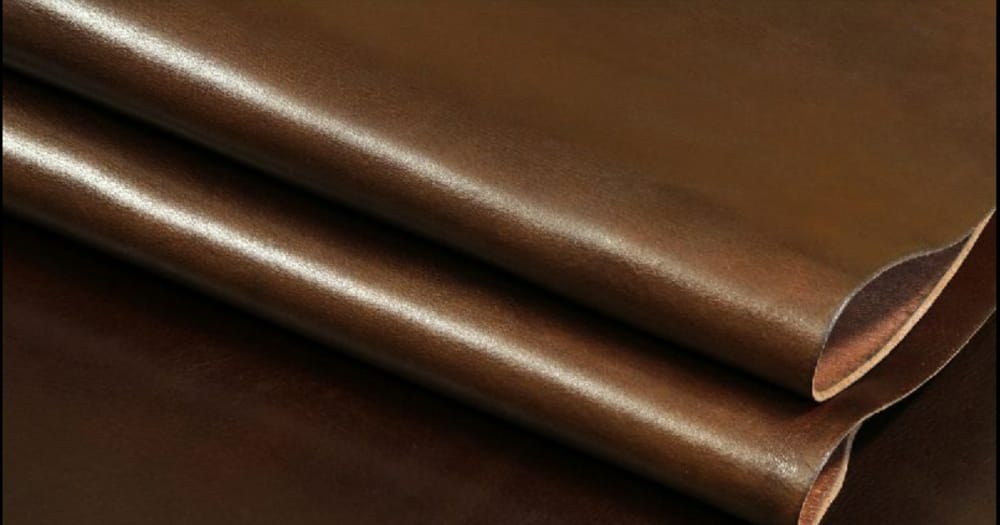
Semi-finished leather is leather that has undergone tanning or intermediate processing but has not yet received all the treatments needed for its final application. Depending on the manufacturing process, it may require additional colouring, softening, coating or surface finishing.
The three common types of semi-finished leather are:
Wet-Blue Leather: Wet-blue leather is chrome-tanned leather that retains moisture after tanning. It usually undergoes further processing to achieve the required appearance, softness and performance for its intended use.
Wet-White Leather: Wet-white leather is produced using tanning systems that do not rely on conventional chromium tanning. Its properties depend on the tanning agents, manufacturing process and requirements of the final product.
Crust Leather: Crust leather has been tanned and dried but has not received its final finishing treatment. It may require additional colouring, coating or surface treatments before it can be used to manufacture finished leather products.
Testing these materials helps manufacturers understand their characteristics and determine whether they meet the requirements for further processing. Appropriate semi-finished leather testing services can also help identify variations in quality before production continues.
Why Is Semi-Finished Leather Testing Important?
Leather quality can vary due to differences in raw hides, tanning chemicals, processing conditions and storage. Even small variations can affect how leather behaves during finishing and manufacturing.
Semi-finished leather testing provides useful information about the material’s physical properties and chemical characteristics. It helps manufacturers check whether the leather meets the requirements of their production process or customer specifications.
The key benefits of testing include:
Quality Control: Testing helps identify differences in leather properties between batches, allowing manufacturers to monitor quality more effectively.
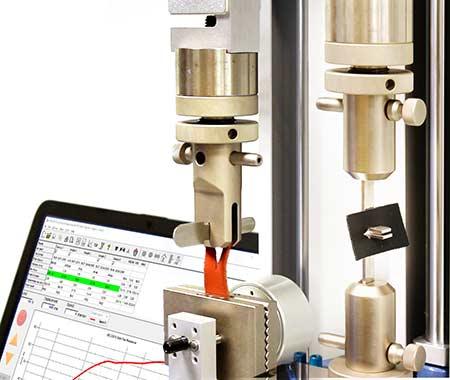
Physical Performance Evaluation: Tests for tensile strength, tear strength and thickness help assess whether leather meets specified physical requirements.
Chemical Safety Assessment: Chemical testing can help evaluate parameters such as pH, chromium VI, formaldehyde and selected restricted substances when required.
Reduced Material Waste: Identifying potential quality issues early can reduce reprocessing, material wastage and production delays.
Customer Specification Verification: Test results allow manufacturers and suppliers to compare leather properties with the specifications provided by buyers and business partners.
Support for Export Requirements: Testing and reporting can help businesses provide relevant quality documentation to customers and support specific compliance assessments.
A suitable Semi-Finished Leather Testing programme helps manufacturers evaluate material quality before investing in further processing. The required tests depend on the leather type, intended application and applicable standards.
Semi-Finished Leather Testing Parameters
Different leather types require different testing approaches. At METS Laboratories, the appropriate testing parameters should be selected according to the material and the requirements of the customer.
Physical Testing Parameters
Tensile Strength: Measures the force required to stretch leather until it breaks under specified conditions.
Tear Strength: Evaluates the resistance of leather to tearing when force is applied.
Thickness: Measures leather thickness to assess consistency and conformity with product specifications.
Shrinkage Temperature: Evaluates the thermal stability of leather under defined conditions.
Flexing Resistance: Assesses resistance to repeated bending where the test is appropriate for the material.
Colour Fastness: Evaluates resistance to colour change or colour transfer under specified testing conditions, where applicable.
Chemical Testing Parameters
pH Value: Measures the acidity or alkalinity of leather, which can influence material quality and further processing.
Chromium VI: Determines the presence or concentration of hexavalent chromium using an applicable analytical method.
Total Chromium: Measures total chromium content when required by the relevant specification.
Formaldehyde: Evaluates formaldehyde content when required by chemical safety specifications.
Extractable Metals: Measures selected extractable metals according to the specified testing method.
Restricted Substances: Assesses chemicals identified in customer specifications or applicable regulations.
Not every test is necessary for every sample. Some performance tests may be more appropriate after additional finishing. METS Laboratories can help you identify the relevant parameters for your material and testing objectives.
Semi-Finished Leather Testing Standards
Leather testing standards provide established methods for evaluating specific material properties. Depending on the test, customer requirements and intended application, relevant ISO, EN, ASTM or other recognised methods may be specified.
Examples of relevant ISO standards include:
ISO 3376: Determination of tensile strength and percentage elongation.
ISO 3377-1: Determination of tear load using the single-edge tear method.
ISO 4045: Determination of pH.
ISO 17075-1 and ISO 17075-2: Methods for determining chromium VI in leather.
ISO 2589: Determination of thickness.
ISO 11640: Assessment of colour fastness to cycles of to-and-fro rubbing, where applicable.
The appropriate standard depends on the leather type, the property being tested and the requirements of the buyer or target market. The latest applicable edition and the suitability of each method should be confirmed before testing.
A test report provides information about the parameters evaluated. Passing an individual test does not automatically confirm compliance with every applicable regulation or customer requirement.
Semi-Finished Leather Testing for Different Industries
Semi-finished leather is used across several industries, and each application may require different physical and chemical properties.
Footwear Manufacturing
Leather used for shoes and boots may require suitable strength, thickness and other specified performance characteristics. Testing helps manufacturers evaluate the material before further finishing and footwear production.
Leather Goods and Accessories
Bags, wallets, belts and other accessories require materials that meet their intended design and quality specifications. Testing helps assess material consistency and selected chemical properties.
Automotive and Upholstery
Leather used in vehicle interiors and furniture may need to meet application-specific requirements for physical performance, durability and chemical characteristics. The relevant tests depend on the final application and customer specifications.
Leather Garments
Leather used for jackets, trousers and other garments may require suitable strength, flexibility and chemical properties. Testing helps manufacturers evaluate the material before cutting and garment production.
Tanneries and Leather Exporters
Tanneries and exporters use testing to assess material quality, investigate production variations and provide relevant documentation to customers. Testing can also support supplier evaluation and quality-control procedures.
METS Laboratories offers semi-finished leather testing services based on the material type, intended application and specified testing requirements.
Why Choose METS Laboratories for Leather Testing?
Choosing the right testing partner can help you better understand your material and make informed quality-control decisions.
Testing Based on Your Requirements
The testing programme can be discussed according to whether your material is wet-blue, wet-white or crust leather and which properties need to be assessed.
Relevant Testing Methods
Selecting an appropriate method is important for obtaining meaningful results. Testing requirements should be reviewed against applicable standards and material specifications.
Support for Quality Control
Test results can help manufacturers compare material properties with specified limits and investigate potential quality variations.
Guidance on Test Selection
If you are unsure which parameters are required, discuss your leather type, intended application and customer specifications with our team.
Testing Enquiry Support
Our team can help clarify the information needed for your testing request, including the required parameters, sample quantity and quotation process.
If you are looking for a leather testing laboratory to evaluate semi-finished leather, contact METS Laboratories to discuss your requirements.
Call +91-8800505077 to request a quotation for semi-finished leather testing.
Frequently Asked Questions
What is semi-finished leather testing?
Semi-finished leather testing involves evaluating leather that has undergone tanning or intermediate processing but has not received its final finishing treatment. Depending on the material and intended use, testing may assess physical properties, chemical characteristics and other quality parameters.
. Which types of semi-finished leather can be tested?
The main types include wet-blue leather, wet-white leather and crust leather. The appropriate tests depend on the material's processing stage, customer specifications and intended use.
Which tests are commonly performed on semi-finished leather?
Common tests include tensile strength, tear strength, thickness, pH, shrinkage temperature, chromium VI and selected restricted substances. The exact testing programme depends on the leather type and applicable requirements.
Is wet-blue leather testing different from crust leather testing?
Yes. Wet-blue leather has undergone chrome tanning and retains moisture, while crust leather has been tanned and dried before final finishing. These differences can affect sample preparation and the suitability of particular testing methods.
Can semi-finished leather be tested for chromium VI?
Yes, chromium VI testing may be requested when relevant to the material, customer specifications or applicable regulations. ISO 17075-1 and ISO 17075-2 describe methods for determining chromium VI in leather. The appropriate method should be confirmed for the sample being tested.
How much sample is required for leather testing?
The required sample quantity depends on the selected tests, specimen dimensions, number of replicates and applicable standards. Contact METS Laboratories to confirm the sample quantity and submission instructions for your testing requirements.
How long does semi-finished leather testing take?
The turnaround time depends on the tests requested, sample preparation, analytical requirements and laboratory workload. Contact METS Laboratories for an estimated completion time based on your requirements.
. Does leather testing guarantee REACH compliance?
No. Leather testing alone does not automatically guarantee complete REACH compliance. Compliance depends on the applicable regulatory requirements, restricted substances, concentration limits and intended product use. Test reports provide evidence for the parameters evaluated, while a broader compliance assessment may also be necessary.
How can I request a quotation for semi-finished leather testing?
Call METS Laboratories at +91-8800505077 to request a quotation. Share your leather type, required testing parameters, intended application and relevant customer specifications or standards. The team can review your requirements and advise you on the next steps.
Why should semi-finished leather be tested before final finishing?
Testing before final finishing helps manufacturers identify potential quality issues while the material is still at an intermediate stage. It can support better production decisions, quality control and assessment against customer specifications before additional processing begins.