Synthetic leather is widely used in footwear, furniture, automotive interiors, handbags, garments and other consumer products. Its quality depends on factors such as material composition, coating strength, flexibility, colour fastness and resistance to everyday wear. Testing helps manufacturers determine whether these materials meet the required quality and performance specifications.
METS Laboratories offers Synthetic Leather Testing Services to help businesses evaluate the physical, chemical and durability properties of synthetic leather materials. Our testing approach can be selected according to the material type, intended application, customer specifications and applicable test methods.
Whether you manufacture synthetic leather for shoes, furniture, automotive interiors or fashion accessories, testing can help you identify potential material issues before they affect the finished product. It also supports quality control, product development and more informed decisions about material selection.
What Is Synthetic Leather Testing?
Synthetic Leather Testing is the process of evaluating the quality, composition, durability and performance of artificial leather materials. Unlike genuine leather, synthetic leather is generally manufactured using a textile or other backing material combined with a polymer coating, commonly polyurethane (PU) or polyvinyl chloride (PVC).
The purpose of testing is to understand how a material performs under specified conditions. Depending on the application, assessments may include tensile strength, tear resistance, coating adhesion, abrasion resistance, colour fastness, flexibility and chemical composition.
A Synthetic Leather Testing Laboratory can help manufacturers assess whether materials meet the requirements established by buyers, product specifications or relevant industry standards. Chemical testing may also be required to evaluate restricted substances or other material-specific safety concerns.
A synthetic leather testing laboratory can help manufacturers and suppliers determine whether a material meets the relevant product specifications, buyer requirements or applicable test methods. The final testing programme depends on the material's construction and the requirements of the finished product.
Why Synthetic Leather Testing Is Important?
Synthetic leather products must withstand regular use, handling and environmental exposure. Materials that have not been adequately evaluated may experience peeling, cracking, colour transfer, coating separation or premature wear.
Testing helps identify these potential weaknesses before the material is used in production or supplied to customers. It also gives businesses useful information for evaluating suppliers, improving product quality and maintaining consistency between material batches.
The key benefits of synthetic leather testing include:
Quality assurance: Evaluate whether materials meet defined performance and quality requirements.
Durability assessment: Assess resistance to tearing, abrasion, cracking and everyday wear.
Chemical safety: Identify specified substances of concern when appropriate chemical tests are included.
Product development: Compare material samples and identify areas that may need improvement.
Customer requirements: Generate test results that can support quality documentation and buyer assessments.
Risk reduction: Identify potential material weaknesses before they affect finished products.
Professional Synthetic Leather Testing Services help businesses make informed decisions about material selection, product development and quality assurance. The results can also support internal quality-control procedures and customer discussions.
Synthetic Leather Testing Parameters
The testing parameters depend on the material construction, intended application and relevant requirements. Common assessments may include the following.
Tensile Strength and Elongation
Tensile strength testing measures how a material responds when a pulling force is applied. It helps assess the material’s resistance to stretching and breaking under specified test conditions.
Elongation measurements indicate how much the material extends before or during failure. These properties can be important for footwear, upholstery and other products exposed to repeated stress.
Tear Strength
Tear strength testing evaluates how well synthetic leather resists the development or spread of a tear. This assessment helps manufacturers understand whether the material can withstand the forces it may encounter during cutting, stitching, manufacturing and everyday use.
Coating Adhesion
Coating adhesion testing examines the bond between the polymer coating and the backing material. Poor adhesion can lead to peeling, delamination or surface separation during use.
This assessment is particularly relevant when evaluating the construction and durability of coated artificial leather.
Abrasion Resistance
Abrasion testing evaluates how well the material withstands rubbing or friction under specified test conditions. It helps assess surface wear in products such as furniture upholstery, automotive interiors, footwear and bags.
Flex Resistance
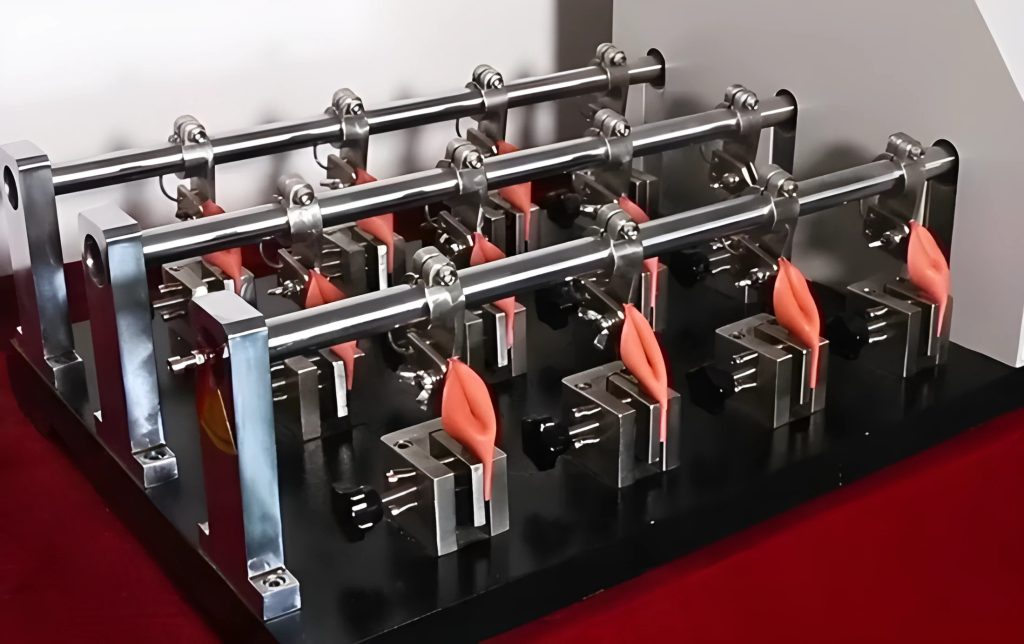
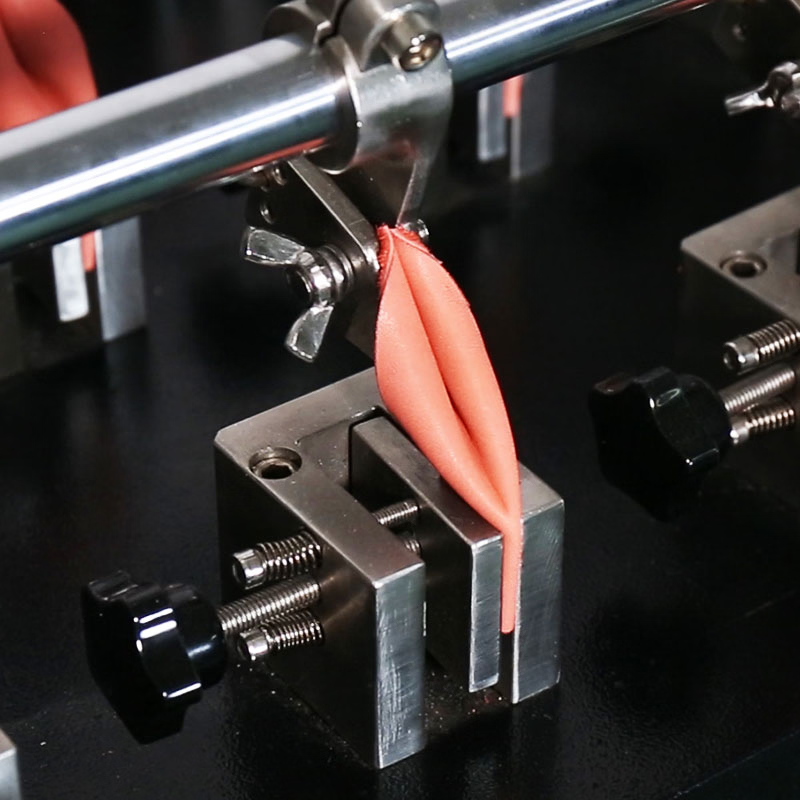
Flex resistance testing examines the material’s ability to withstand repeated bending. It can help identify cracking, coating damage or other changes that may develop when a product is repeatedly folded or flexed.
Colour Fastness
Colour fastness testing evaluates how well the colour of a material withstands specific conditions. Depending on the selected test method, this may include rubbing, water or perspiration exposure.
These tests help determine whether colour transfer, fading or staining may occur during use.
Chemical Testing
Chemical testing may be required to evaluate selected substances in synthetic leather. Depending on the material, intended use and applicable requirements, this can include certain phthalates, restricted substances and other specified chemical parameters.
The required substances, analytical methods and reporting limits should be selected according to the applicable specification or regulation.
Thickness and Other Physical Properties
Thickness measurement and other relevant physical assessments help evaluate material consistency and compliance with defined specifications.
Depending on the product, additional testing may be considered for properties such as dimensional stability, surface performance or resistance to particular environmental conditions.
A suitable Synthetic Leather Testing Laboratory can help determine which parameters are appropriate for the material and its intended application.
Types of Synthetic Leather We Test
Synthetic leather is manufactured in different forms to meet the needs of various industries. The appropriate testing programme depends on the polymer coating, backing material, product design and expected conditions of use.
PU Synthetic Leather
Polyurethane leather is commonly used in footwear, handbags, furniture, clothing and accessories. Testing may focus on tensile strength, tear resistance, coating adhesion, abrasion resistance, flexibility and selected chemical parameters.
PU Leather Testing can help assess whether polyurethane-coated materials meet defined durability and quality requirements for their intended applications.
PVC Synthetic Leather
Polyvinyl chloride leather is used in upholstery, footwear, automotive interiors, bags and other applications. Depending on the product, testing may cover coating performance, tensile properties, abrasion resistance, flexibility and specified chemical substances.
PVC Leather Testing can support material evaluation where performance, product specifications or chemical requirements need to be verified.
Faux Leather and Artificial Leather
Faux leather and artificial leather are general terms for materials designed to resemble genuine leather. Their composition can vary, so testing should be selected according to the actual material structure.
Testing can help evaluate physical performance, surface durability, colour fastness and other properties relevant to the final product.
Coated Textile Materials
Some synthetic leather products use a textile backing with one or more polymer coatings. Testing may examine the performance of the coating, backing and overall material structure.
Additional assessments can be selected according to the requirements of footwear, furniture, automotive or other end-use applications.
Synthetic Leather Testing Standards
Synthetic leather testing may be carried out using recognised national or international standards, customer specifications or other applicable test methods. The correct method depends on the property being assessed and the intended use of the material.
Examples of standards that may be relevant to selected synthetic leather assessments include:
ISO 1421: Tensile strength and elongation of coated fabrics.
ISO 2411: Coating adhesion of rubber- or plastics-coated fabrics.
ISO 12947 series: Abrasion resistance of textile materials using the Martindale method.
ISO 105 series: Colour fastness testing of textiles, with the applicable part selected for the required exposure.
ASTM D751: Testing methods for coated fabrics, where applicable to the material and test requirement.
These examples are not a universal test package for synthetic leather. The applicability of each method must be confirmed for the specific material, test objective and required edition.
Chemical testing may require additional methods depending on the relevant substances, product category and destination market.
METS Laboratories can help identify suitable test parameters and methods based on the information provided about the material and the customer's requirements. The exact scope of testing should be confirmed before sample submission.
Synthetic Leather Testing for Different Industries
Synthetic leather is used across multiple industries, and each application may have different quality and performance expectations.
Footwear Industry
Synthetic leather is widely used in shoes, sandals, boots and other footwear products. Depending on the design and intended use, testing may include tensile strength, tear resistance, flex resistance, coating adhesion and colour fastness.
Furniture and Upholstery
Furniture manufacturers use artificial leather for sofas, chairs, cushions and other upholstered products. Relevant testing may include abrasion resistance, tensile properties, coating adhesion and colour fastness, depending on the product specification.
Automotive Industry
Synthetic leather is used in selected automotive seating, interior panels and trim applications. Testing requirements may cover durability, coating performance, colour stability and specified chemical properties according to the intended application and customer requirements.
Fashion and Accessories
Handbags, wallets, belts, garments and other fashion accessories may require testing for tearing, abrasion, flexibility, colour transfer and surface durability. The selected parameters depend on the design and expected use of the finished product.
Consumer Goods and General Manufacturing
Synthetic leather is also used in a variety of consumer goods and manufactured products. Testing can help businesses evaluate incoming materials, compare suppliers and maintain consistency during product development and production.
Across these industries, Synthetic Leather Testing Services can help businesses evaluate material performance and maintain consistency with defined product requirements.
Our Synthetic Leather Testing Process
At METS Laboratories, the testing requirements should be clearly defined before samples are submitted. This helps ensure that the selected tests are relevant to the material and the purpose of the assessment.
Step 1: Share Your Testing Requirements
Provide details about the material, its intended application, the required properties and any relevant customer specifications or standards.
Step 2: Review the Material and Test Scope
The testing requirements are reviewed to identify suitable parameters and applicable methods. Additional information may be requested if the material composition or intended use is unclear.
Step 3: Confirm Sample Requirements
Sample quantity, dimensions, preparation and conditioning requirements depend on the selected tests. Confirm the requirements with the laboratory before dispatching your samples.
Step 4: Conduct the Agreed Tests
The agreed assessments are carried out using the applicable methods and procedures within the confirmed testing scope.
Step 5: Review the Test Results
The results are documented in a test report according to the agreed scope. Where relevant, the report may include measured values, units, test methods and observations.
Step 6: Discuss Further Requirements
If additional testing or clarification is required, discuss the next steps with the laboratory team.
To enquire about Synthetic Leather Testing, contact METS Laboratories at +91-8800505077 with your material details and testing requirements.
Why Choose METS Laboratories for Synthetic Leather Testing?
Choosing the right testing laboratory is an important part of maintaining material quality and making informed decisions about product performance.
METS Laboratories works with customers to understand their testing requirements and identify appropriate assessments for the materials and products under evaluation.
Reasons to enquire about our testing services include:
Requirement-based test planning: Discuss the relevant physical, chemical and durability parameters for your material.
Application-focused evaluation: Select tests according to the intended use of synthetic leather.
Recognised test methods: Identify applicable standards and methods based on the requested scope.
Quality-control support: Use test results to assist with material evaluation and supplier-quality processes.
Clear reporting: Obtain documentation of the agreed tests and their results.
Quotation assistance: Discuss sample requirements, testing scope, estimated turnaround time and applicable charges before proceeding.
Our Synthetic Leather Testing Laboratory enquiries are handled according to the requirements of the material and the testing requested. The availability of individual methods, accreditation coverage and turnaround time should be confirmed with the laboratory before placing an order.
For information about Synthetic Leather Testing Services, call +91-8800505077 or contact METS Laboratories with your requirements.
Frequently Asked Questions
What is synthetic leather testing?
Synthetic leather testing evaluates the physical, chemical and durability properties of artificial leather. Depending on the application, it may include tensile strength, tear resistance, coating adhesion, abrasion resistance, flex resistance, colour fastness and selected chemical tests.
What types of synthetic leather can be tested?
Testing may be available for polyurethane (PU) leather, polyvinyl chloride (PVC) leather, faux leather, artificial leather and other polymer-coated materials. The suitable test methods depend on the material's composition and construction.
Which tests are commonly performed on synthetic leather?
Common assessments include tensile strength, elongation, tear strength, coating adhesion, abrasion resistance, flex resistance, thickness and colour fastness. Chemical testing may also be required for specific substances. The final test list should be based on the product specification and intended use.
Can synthetic leather be tested for phthalates?
Yes, selected phthalates can be evaluated when appropriate analytical methods are available and included in the agreed testing scope. The required substances and reporting limits depend on the applicable specification or regulatory requirement.
Can synthetic leather be tested for REACH requirements?
Testing can help evaluate selected substances relevant to applicable REACH requirements. However, testing for a limited number of substances does not automatically establish complete REACH compliance. The applicable requirements, product category and destination market should be reviewed before testing.
Is synthetic leather testing different from genuine leather testing?
Yes. Although some performance properties may be evaluated for both materials, their composition and construction differ. Synthetic leather often contains a polymer coating and a backing material, so coating adhesion and polymer-related chemical assessments may be relevant in addition to physical testing.
How long does synthetic leather testing take?
Turnaround time depends on the number of tests, selected methods, sample condition and laboratory workload. Some assessments may take less time than tests involving extended exposure or conditioning. Contact METS Laboratories to confirm the estimated completion time for your specific testing requirements.
How many samples are required?
The sample quantity and dimensions depend on the selected test methods, number of parameters and sample-preparation requirements. Contact the laboratory with your test requirements before sending the material.
Does synthetic leather testing provide product certification?
Testing and product certification are different activities. A laboratory test report documents the results of the tests performed, while certification involves a separate conformity-assessment process where applicable. Whether certification is available or required depends on the product, scheme and relevant regulatory requirements.
How can I request a quotation for synthetic leather testing?
To request a quotation, contact METS Laboratories at +91-8800505077. Provide the material type, intended application, required tests, applicable standards and any customer or regulatory specifications. The laboratory can then review the requested scope and confirm sample requirements, availability, estimated turnaround time and charges.